
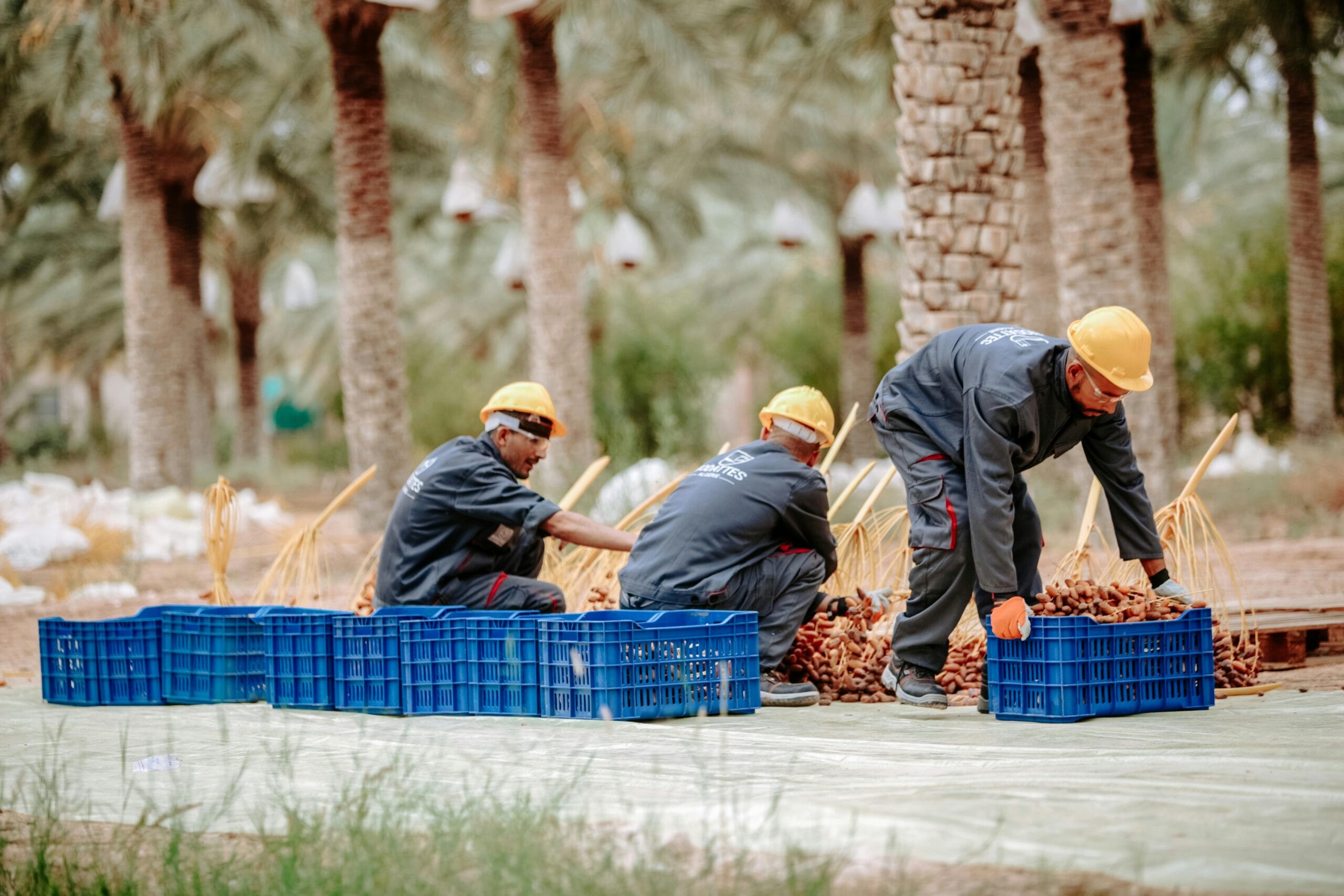
Executive Summary: The Shift from "Compliance" to "Competitive Advantage"
The textile industry is historically one of the world’s largest polluters, responsible for 20% of global clean water pollution. For the industrial workwear sector, this presents a massive risk. As Scope 3 Emission regulations tighten in the EU (Green Deal) and North America, the environmental footprint of a uniform is no longer just a marketing talking point—it is a market access requirement.
The traditional model of "Boil, Dye, Rinse, Repeat" is obsolete. It is energy-intensive, water-heavy, and chemical-dependent.
The future of workwear lies in Green Dyeing & Finishing. This trio of technologies—Waterless Dyeing (Dope Dyeing/CO2), Low-Temperature Fixation, and PFC-Free (PFAS-Free) Surface Treatments—allows manufacturers to produce high-durability fabrics that meet strict industrial standards (ISO 15797) while slashing water use by up to 90% and energy use by 40%.
This guide serves as a technical and commercial playbook for sourcing these next-generation fabrics, ensuring your workwear is not only tough enough for the job site but compliant enough for the boardroom.
Google Snippet: Quick Answer
What are Green Dyeing and Finishing technologies? These are sustainable textile processes designed to minimize environmental impact without compromising fabric durability. Key technologies include Dope Dyeing (adding color to the polymer melt, saving 90% water), Cold Pad Batch (CPB) dyeing (saving energy), and PFC-Free DWR (water repellency without toxic PFAS chemicals). Adopting these allows companies to meet ESG goals, reduce Scope 3 emissions, and comply with REACH and ZDHC regulations.
1. The Toxic Trail: Why Traditional Dyeing is Becoming a Liability
The Water Crisis
- Traditional: Dyeing 1kg of cotton workwear fabric requires 100-150 liters of water.
- The Risk: Water scarcity raises costs and creates supply chain instability.
The Energy Spike
- Traditional: Dye baths must be heated to high temperatures (130°C for polyester) and maintained for hours.
- The Risk: Volatile energy prices directly impact fabric costs (Scope 2 emissions).
The Chemical Burden (PFAS)
- Traditional: "Forever chemicals" (Per- and Polyfluoroalkyl Substances) have been the standard for oil/water repellency.
- The Risk: Upcoming Bans. The EU and US states (like California) are legislating total bans on PFAS in textiles. Brands holding PFAS inventory risk having unsellable stock.
2. The Regulatory Landscape: ZDHC, REACH, and Beyond
| Regulation/Standard | Region | Impact on Workwear Sourcing |
|---|---|---|
| REACH | EU | Restricts thousands of hazardous chemicals, including Azo dyes and certain surfactants. Mandatory for EU market access. |
| ZDHC (Roadmap to Zero) | Global | Zero Discharge of Hazardous Chemicals. Focuses on the wastewater leaving the factory. Brands are demanding suppliers meet "Level 3" compliance. |
| Bluesign® | Global | Input stream management. Ensures that only safe chemicals enter the factory, preventing issues before they start. |
| Oeko-Tex Std 100 | Global | Product safety. Verifies the final garment is free from harmful substances. |
| US EPA PFAS Rules | USA | Strict reporting and eventual phase-out of PFAS in consumer and industrial goods. |
3. Technology Deep Dive: The "Big Three" Green Technologies
To modernize your supply chain, you must understand the three pillars of sustainable finishing.
Pillar 1: Waterless & Low-Water Dyeing
-
Dope Dyeing (Solution Dyeing):
- Process: Color pigments are mixed into the molten plastic chips (polyester or nylon) before they are extruded into yarn. The yarn comes out already colored.
- Water Usage: Near Zero.
- Performance: Superior Colorfastness. Since the color is "locked" inside the fiber, it resists UV fading and industrial laundering better than surface-dyed fabrics.
- Limitation: High Minimum Order Quantities (MOQ). You cannot make 100 meters; you need to make tons.
-
Supercritical CO2 Dyeing:
- Process: Uses CO2 in a supercritical state (between liquid and gas) to dissolve dye and transport it into the fabric. The CO2 is recycled.
- Water Usage: Zero.
- Status: Emerging technology, high CAPEX, currently limited to polyester.
Pillar 2: Low-Temperature Fixation
- Cold Pad Batch (CPB):
- Process: For cotton/blends. Fabric is impregnated with dye at room temperature and rolled up (batched) to rotate slowly for 12-24 hours. The chemical reaction happens over time, not via heat.
- Energy Savings: Eliminates the need for steam/heat during the fixation phase.
- Texture: Results in a softer hand-feel and less surface pilling.
Pillar 3: PFC-Free (C0) Surface Treatments
- The Transition: Moving from C8 (High Toxicity) -> C6 (Lower Toxicity) -> C0 (Fluorine-Free).
- Technology: Uses bio-based polymers (like plant-based waxes) or dendritic polymers (tree-branch structures) to create surface tension that repels water.
- Performance Reality:
- Water Repellency: Excellent. Matches traditional chemistry.
- Oil Repellency: The Challenge. C0 chemistry struggles to repel oil/grease. For mechanics or oil-rig workers, this remains a technological frontier.
4. Comparative Matrix: Traditional vs. Green Technologies
| Metric | Traditional Piece Dyeing | Dope Dyeing (Solution Dyeing) | PFC-Free Finish (C0) |
|---|---|---|---|
| Water Consumption | High (100L/kg) | Very Low (<5L/kg) | Low |
| Energy Consumption | High (Steam Intensive) | Low (No Dye Bath) | Medium (Curing needed) |
| Color Consistency | Variable (Batch to Batch) | Perfect (Melting Phase) | N/A |
| UV Resistance | Moderate | Excellent (Integral Color) | N/A |
| Oil Repellency | N/A | N/A | Low / None |
| Cost | Baseline | Lower (at high volume) | Higher (Currently +10-20%) |
| Flexibility | High (Dye any color anytime) | Low (Must commit to large batches) | High |
5. Common Challenges & Mistakes in Implementation
| Challenge | The Reality | Strategic Solution |
|---|---|---|
| "Green is Expensive" | Initial per-yard cost of C0 finishes is higher. Dope dyeing requires high inventory commitment. | Calculate Total Value. Dope dyeing saves money on rejects and fading claims. C0 finishes prevent market exclusion (loss of sales). |
| "We Need Exact Pantone Matching" | Dope dyeing is harder to fine-tune to a specific "Corporate Blue" than liquid dyeing. | Consolidate Colors. Move multiple clients to a "Standard Navy" to achieve the volume needed for Dope Dyeing. |
| The Oil Repellency Gap | Buyers switch to PFC-Free but are shocked when engine oil stains the uniform. | manage Expectations. Explicitly state: "This garment is eco-friendly and water-repellent. It is NOT oil-proof." Use darker colors to hide stains. |
| MOQ Shock | Asking for 500 yards of Dope Dyed fabric. | Understand that Dope Dyeing is for Program Business (long-term contracts), not spot orders. |
6. ROI Analysis: The Financial Case for Green Finishing
Scenario: A logistics company with 5,000 employees requiring High-Vis Vests (Orange).
Option A: Traditional Neon Dyeing
- Unit Price: $5.00
- Lifespan: 20 wash cycles (Fading leads to safety non-compliance).
- Total Annual Spend (2 replacements/year): $50,000.
Option B: Dope Dyed High-Vis Orange
- Unit Price: $5.20 (+4% for setup).
- Lifespan: 50 wash cycles (UV stabilizers locked in fiber).
- Total Annual Spend (1 replacement/year): $26,000.
The ESG Bonus:
- Water Saved: 2 Million Liters.
- CO2 Saved: 15 Tons.
- Result: The company pays slightly more per unit but saves 48% annually due to durability, while meeting ESG targets.
7. Buyer Checklist for Green Textile Sourcing
Before issuing a Purchase Order, verify the claims.
- [ ] Dope Dyeing Verification: Ask for a cross-section microscopic photo of the fiber. The color should be throughout the fiber, not just on the edge.
- [ ] PFC-Free Test Report: Request an AATCC 22 (Spray Test) report and a chemical analysis certifying <1ppm organic fluorine.
- [ ] ZDHC Level 3 Certificate: Ensure the dyeing mill is listed on the ZDHC Gateway with Level 3 compliance (progressive wastewater treatment).
- [ ] Color Fastness Data: For Dope Dyeing, demand ISO 105-B02 (Light Fastness) results. It should be Grade 6-7 (Excellent).
- [ ] LCA (Life Cycle Assessment): Ask if the mill can provide carbon footprint data per meter of fabric.
8. Frequently Asked Questions (FAQ)
Q1: Can cotton be Dope Dyed? A: No. Dope dyeing is only for synthetic polymers (Polyester, Nylon, PP). Cotton must use other eco-methods like Cold Pad Batch or Low-Salt Reactive Dyes.
Q2: Is PFC-Free finishing less durable in the wash? A: Early generations were weak. Modern C0 finishes with "Cross-Linking Agents" can withstand 30-50 industrial washes, provided the drying process reactivates the finish (heat is needed).
Q3: How do I brand this to my employees? A: Use "Ingredient Branding." Add a hangtag that says: "This garment saved 25 liters of water during production." It turns a uniform into a pride point.
Q4: Will Dope Dyeing limit my color choices? A: Yes. It is best for standard industrial colors: Navy, Black, Charcoal, High-Vis Orange, High-Vis Yellow. Custom fashion colors are not viable for this tech.
9. Advanced Sourcing Strategies: Supply Chain Integration
- Vertical Integration: Work with suppliers (like us) who control the fabric weaving and garment making. This allows for better forecasting of Dope Dyed yarn requirements.
- Color Standardization: Instead of offering 5 shades of blue to different departments, standardize on one "Eco-Navy." This aggregates volume to unlock Dope Dyeing pricing.
- The "Greige" Strategy: For PFC-free items, stock "Greige" (undyed/unfinished) fabric and apply the specific C0 finish only when the order is confirmed, reducing inventory risk.
10. Conclusion
The transition to Green Dyeing & Finishing is not a trend; it is a technical migration comparable to the shift from steam engines to electric motors.
For the workwear buyer, technologies like Dope Dyeing and PFC-Free finishes offer a rare "Win-Win-Win":
- Win for the Planet: Massive reductions in water and toxicity.
- Win for the Product: Superior colorfastness and UV resistance.
- Win for the Brand: Tangible, auditable ESG data that strengthens your corporate reputation.
Stop buying problems. Start sourcing solutions.
📩 Ready to modernize your workwear specifications? We supply ZDHC-compliant, Dope Dyed, and PFC-Free industrial workwear tailored for global markets. Email: [email protected] 🌐 www.workwearsolutions.net China-based. Global Standards. Long-term Partners.

 Color Consistency: The Delta-E Standard and the End of the “Clown Suit” Effect2026年2月4日In the corporate world, a uniform is a brand’s […]
 Why Zippers Fail (and How We Prevent It): The Engineering of Closure Reliability2026年2月4日In the hierarchy of industrial garment components, the […]
 The Anatomy of a Seam: Engineering Durability at the Needle Point2026年2月4日In the world of industrial workwear, the fabric gets all […]
 Future Lab PPE Trends: The Convergence of Lightweight Protection & Sustainability2026年1月28日In the sterile corridors of pharmaceutical R&D, biotech […]
 Chemical Protection Classes A/B/C: The Definitive Guide to Risk-Based PPE Selection2026年1月28日In the hazardous materials (HazMat) industry, […]
 Freezer Gloves & Boots Trends: The Intersection of Thermal Physics and Grip Technology2026年1月28日In the unforgiving environment of a -30°C cold storage […]