
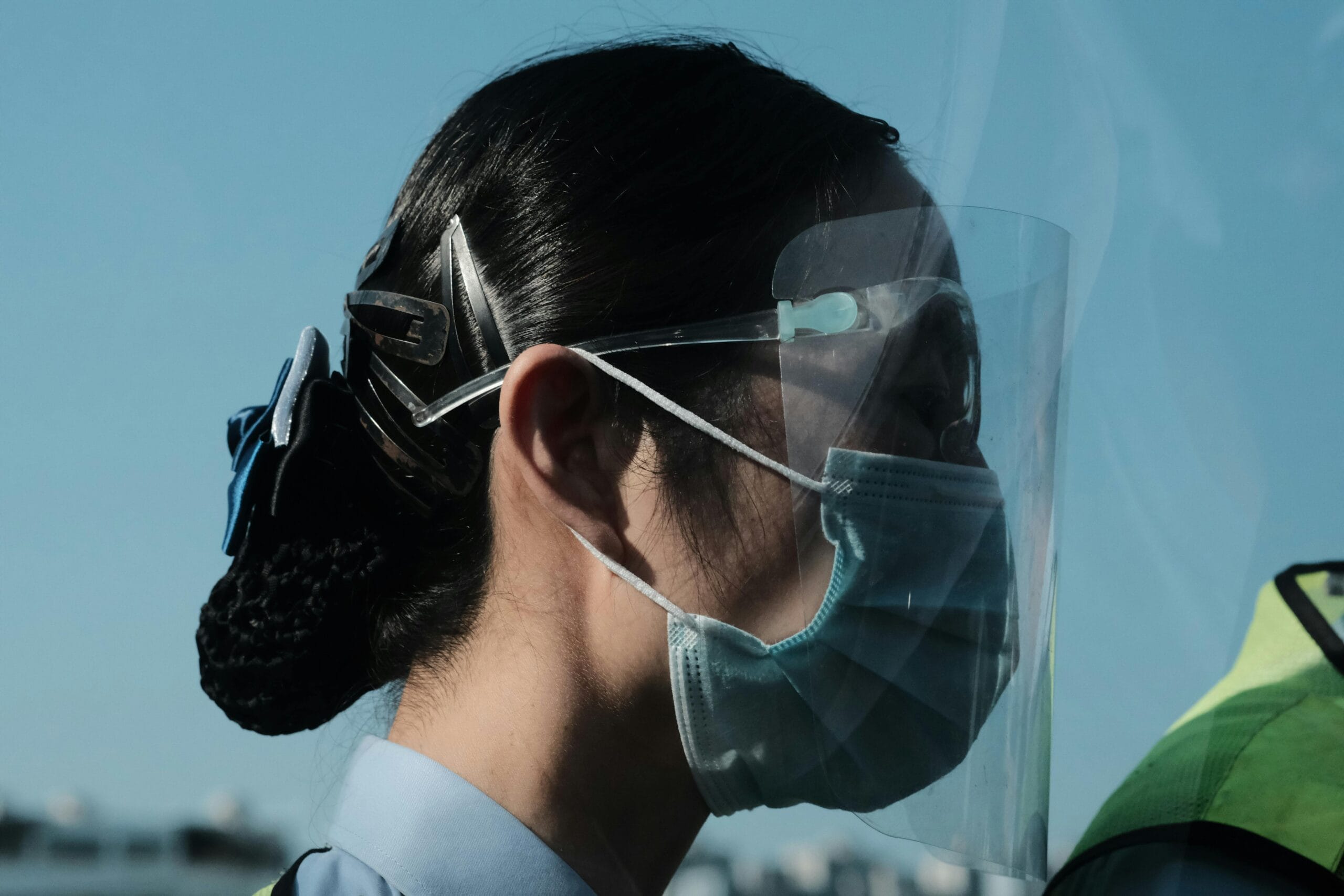
A buyer once told me, “Zion, we’ve got face shields in the storage room, but no one wears them unless a supervisor’s watching.” I wasn’t surprised. The truth is, without a clear face shield policy, PPE becomes decoration, not protection. And in high-risk workplaces, that’s not a gamble you want to take.
A face shield policy ensures employees know when and how to wear face shields properly. It’s about more than gear—it’s about compliance, safety culture, and protecting your people from real hazards like chemical splashes, flying debris, or infectious fluids.
Let’s break down what you need to know—and what your policy needs to cover.
When and Why Face Shields Are Required as PPE
Face shields aren’t just for healthcare workers or lab techs. In many industries, they’re a front-line defense.
Face shields are required when workers are exposed to hazards that could strike or splash the face—like flying metal particles, hot fluids, chemicals, or bodily fluids.
Here are common situations that call for a face shield:
- Grinding or cutting metal and concrete
- Pouring or mixing corrosive chemicals
- Working near pressurized systems
- Handling hazardous or infectious materials
One of our clients in food processing started using face shields during sanitation shifts after a splash incident with a caustic cleaning agent. No more injuries since.
Key Differences Between Face Shields and Other Forms of Eye/Face Protection
Many people confuse face shields with goggles or safety glasses—but they serve different roles.
Face shields cover the entire face, offering broader protection than safety glasses or goggles. But they’re usually worn in combination, not instead of other protection.
Here’s a quick breakdown:
| Protection Type | Covers | Best For |
|---|---|---|
| Safety Glasses | Eyes | Impact from flying particles |
| Goggles | Sealed Eyes | Splashes, dust, vapor |
| Face Shields | Full face | High-impact or splash protection |
So in high-risk jobs, a face shield + safety glasses combo is the gold standard.
Workplace Scenarios That Require a Face Shield Policy
If your teams deal with tools, heat, or chemicals, you probably need a face shield policy—even if it’s never been written down.
Any workplace with physical, chemical, thermal, or biological hazards should have clear face shield rules.
Here are typical job roles and tasks:
- Machinists and welders
- Lab technicians and chemical mixers
- Maintenance teams using grinders or pressure washers
- Medical staff during procedures with fluid exposure
One of our American clients working in wastewater management implemented a face shield policy during routine pump maintenance. It only took one near-miss for them to realize: the risk is real.
Standards and Regulations Governing Face Shield Use (e.g., ANSI Z87.1)
If your PPE doesn’t meet standards, it’s not compliant—end of story.
In the U.S., face shields must meet the ANSI Z87.1 standard for impact and splash protection. In Canada, the standard is CSA Z94.3. In Europe, look for EN 166 compliance.
Here’s what to look for on labels:
| Standard | Region | Covers |
|---|---|---|
| ANSI Z87.1 | United States | Impact, splash, optical clarity |
| CSA Z94.3 | Canada | Face/eye protection requirements |
| EN 166 | Europe | General eye/face protection |
If you’re sourcing face shields, ask for certification proof per batch—not just a product photo or generic claim.
Employer Responsibilities in Implementing a Face Shield Policy
Buying the equipment is only step one. Making sure people use it correctly? That’s the real job.
Employers must assess workplace risks, provide proper PPE, train workers, and enforce the policy consistently. That includes monitoring usage and replacing damaged gear.
Your policy should cover:
- Which tasks require a face shield
- Who’s responsible for enforcement
- Where shields are stored and cleaned
- How often they’re inspected or replaced
One Canadian client added face shield checks to their daily startup protocol—it only takes 30 seconds per person, but now compliance is nearly 100%.
Training and Maintenance Requirements for Face Shield Compliance
A face shield that’s scratched, cloudy, or cracked won’t help anyone. And one that’s never worn? Even worse.
Training should teach workers how to wear, adjust, clean, and inspect face shields. Maintenance is simple but essential—worn gear must be cleaned, stored properly, and replaced as needed.
Best practices:
- Clean with a soft cloth and anti-fog spray—no harsh chemicals
- Check for scratches, cracks, and distortion weekly
- Replace if the lens is damaged or visibility is compromised
- Store in a dust-free, dry area, away from machinery or heat
- Train staff during onboarding and at regular safety meetings
One buyer told me, “Zion, after we started monthly PPE refreshers, people actually understood why we wear this stuff. They stopped seeing it as annoying—and started seeing it as protection.”
Conclusion
A solid face shield policy isn’t just paperwork—it’s a safety promise. It protects your workers, helps you meet legal requirements, and reduces downtime from preventable injuries. And if you need certified face shields, clear usage guidance, or support in creating a policy that actually works—I’m just a message away.

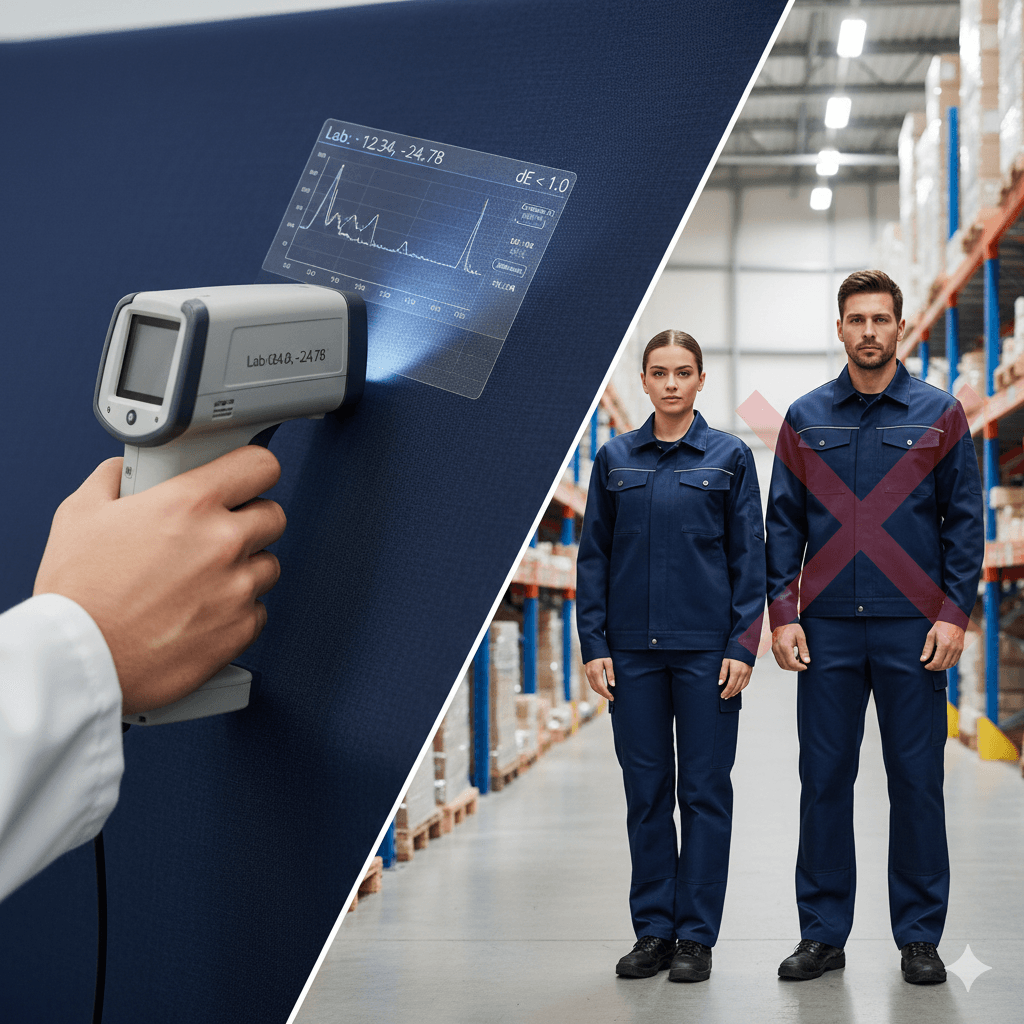 Color Consistency: The Delta-E Standard and the End of the “Clown Suit” Effect2026年2月4日In the corporate world, a uniform is a brand’s […]
 Why Zippers Fail (and How We Prevent It): The Engineering of Closure Reliability2026年2月4日In the hierarchy of industrial garment components, the […]
 The Anatomy of a Seam: Engineering Durability at the Needle Point2026年2月4日In the world of industrial workwear, the fabric gets all […]
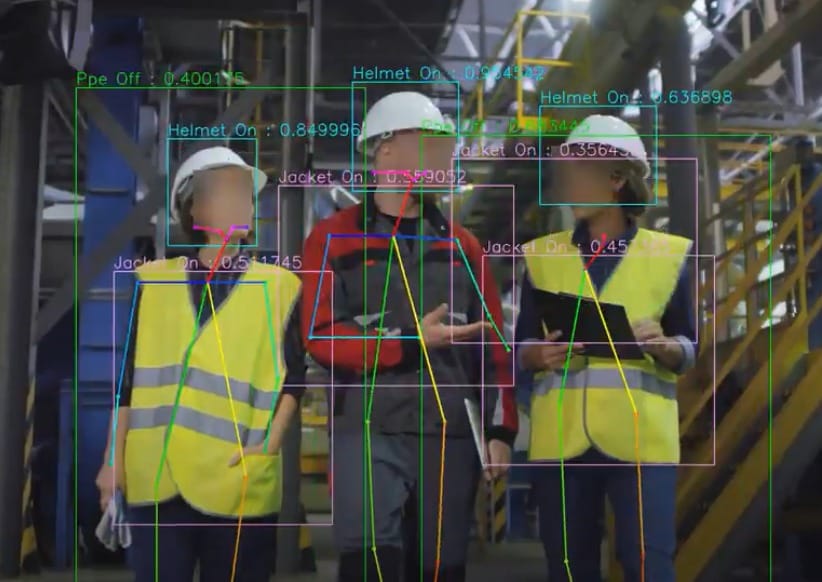 Future Lab PPE Trends: The Convergence of Lightweight Protection & Sustainability2026年1月28日In the sterile corridors of pharmaceutical R&D, biotech […]
 Chemical Protection Classes A/B/C: The Definitive Guide to Risk-Based PPE Selection2026年1月28日In the hazardous materials (HazMat) industry, […]
 Freezer Gloves & Boots Trends: The Intersection of Thermal Physics and Grip Technology2026年1月28日In the unforgiving environment of a -30°C cold storage […]