
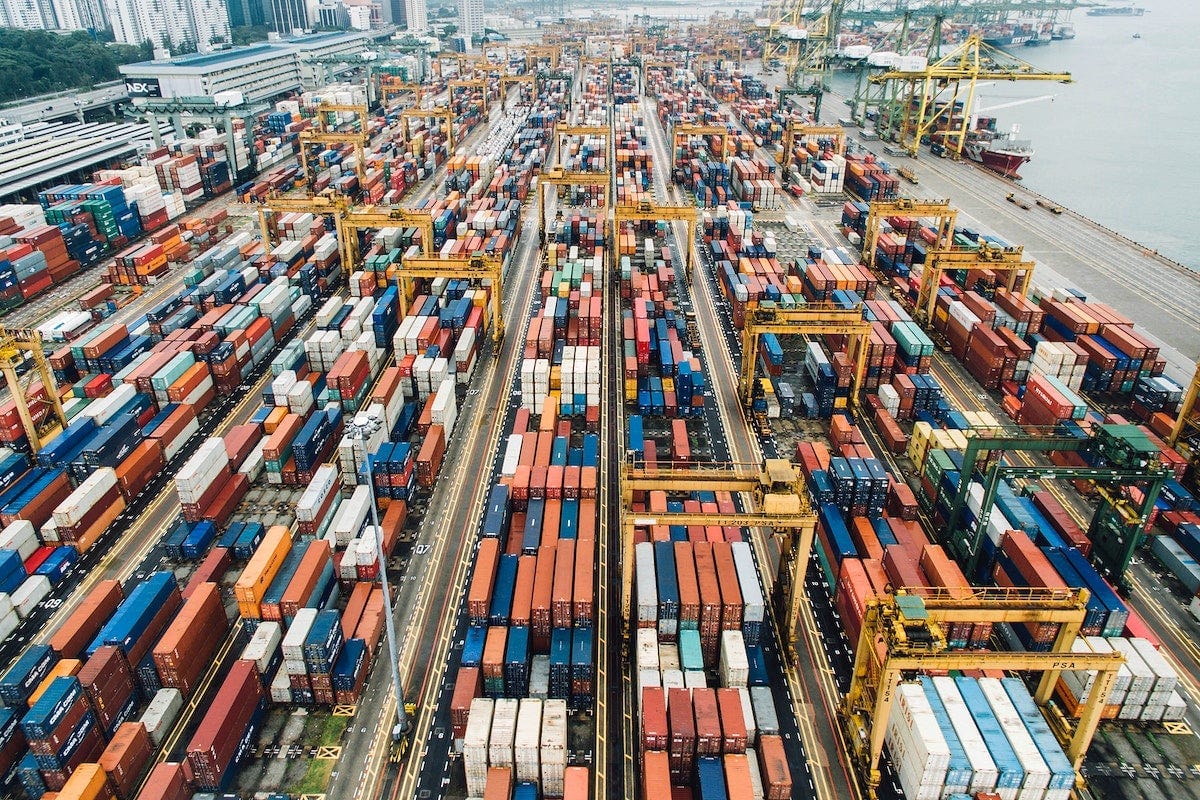
In the $60 billion global workwear market, a "one-size-fits-all" strategy is a recipe for failure. The protective needs of a welder in Texas are dictated by NFPA liability laws; the needs of a wind technician in Germany are driven by EU Sustainability Directives; and the needs of a rigger in Qatar are governed by the physiological limits of human heat tolerance.
For export managers and procurement officers, success lies in Regional Intelligence: understanding that North America buys Risk Mitigation, Europe buys Corporate Responsibility, and the Middle East buys Operational Continuity.
This guide combines Part 1 (Regional Market Psychology) and Part 2 (Strategic Entry Frameworks) to provide a complete decision-making toolkit for navigating the complex geography of the PPE trade.
Google Snippet: Quick Answer
Global workwear procurement is fragmented by regional priorities.
- North America (USA/Canada): Driven by Litigation & Liability. Requires UL certification (NFPA 2112/70E) and "Buy American" compliance.
- Europe (EU/UK): Driven by ESG & Sustainability. Mandates EN ISO standards, Oeko-Tex chemicals safety, and "Circular Economy" traceability.
- Middle East (GCC): Driven by Climate Adaptation. Prioritizes moisture-wicking fabrics, UV protection, and lightweight durability to combat 50°C+ heat stress.
1. North America: The Litigation-Proof Market
In the USA and Canada, safety is a legal shield. The market is dominated by the fear of lawsuits and insurance audits.
The Regulatory Firewall
- NFPA is King: The National Fire Protection Association (NFPA) sets the rules. A garment without an NFPA 2112 (Flash Fire) or NFPA 70E (Arc Flash) label is essentially unsellable in Oil & Gas or Utilities.
- UL Certification: Unlike Europe where many labs exist, the US market overwhelmingly trusts Underwriters Laboratories (UL). The holographic UL tag is the "Gold Standard" for buyers.
- ANSI 107: For high visibility, the American National Standards Institute (ANSI) dictates specific design rules (Type R, Class 2/3) that differ subtly from European EN ISO 20471.
The "Comfort vs. Compliance" Dynamic
- Oversizing: American workers prefer a looser, "relaxed fit" compared to European tailoring.
- Cotton Loyalty: There is a strong historical preference for FR Treated Cotton over synthetics, although lightweight blends are gaining ground due to comfort.
Trade Barriers
- The Berry Amendment: For military or government contracts, textiles must be 100% domestic (US grown and sewn).
- USMCA (NAFTA 2.0): Duty-free trade requires strict "Yarn-Forward" rules of origin between US, Canada, and Mexico.
2. Europe: The Green Fortress
Europe is the most sophisticated and regulated market in the world. Buying decisions are heavily influenced by Environmental, Social, and Governance (ESG) scores.
The Sustainability Mandate
- The Green Deal: The EU is legislating the "Circular Economy." Tenders now require:
- Recycled Content: Minimum percentages of rPET or rNylon.
- EPR (Extended Producer Responsibility): Manufacturers must fund the recycling of the garment at its end-of-life.
- Carbon Footprinting: Declaring the CO2 impact per garment on the label.
The "Style" Factor
- Athleisure Influence: European workwear (e.g., Snickers, Mascot) looks like hiking gear. Slim fits, 4-way stretch panels, and articulated knees are standard expectations, not premium features.
- Multi-Norm Complexity: A single jacket often carries 5+ certifications (FR + Anti-Static + Chemical + Rain + Arc + Hi-Vis) to meet versatile EU safety roles.
Chemical Safety (REACH)
- Zero Tolerance: The REACH Regulation bans hundreds of chemicals (Azo dyes, PFOS/PFOA waterproofing). Imports are frequently tested at borders; failure leads to immediate destruction of stock.
3. The Middle East: The Heat Stress Battleground
In the Gulf Cooperation Council (GCC) countries (Saudi Arabia, UAE, Qatar), safety is a battle against the elements.
The Climate Imperative
- Heat Stress Management: With summer temps hitting 50°C, heavy European or American gear can kill. The priority is Lightweight (150-180gsm), High-Wicking, and Air Permeable fabrics.
- Color Logic: Dark colors are rejected. White, Khaki, and Light Grey are standard to reflect solar radiation.
- UV Protection: Fabrics must be certified UPF 50+ to prevent skin cancer and sunburn through the shirt.
The "Cost vs. Quality" Shift
- Historically: The region was a price-driven market (cheap cotton coveralls).
- Currently: Major players (Aramco, ADNOC) are pivoting to high-performance synthetics to reduce heatstroke downtime. They realized that a $15 coverall costs $5,000 in lost productivity if the worker faints.
Logistics & Localization
- In-Country Value (ICV): Programs like Saudi "Vision 2030" and UAE "ICV" reward suppliers who manufacture or finish goods locally. Establishing a local warehouse is often a prerequisite for tendering.
4. Case Study Comparisons by Region
| Product Type | North America Specs | Europe Specs | Middle East Specs |
|---|---|---|---|
| FR Coverall | Material: 7oz FR Cotton. Cert: NFPA 2112 UL. Fit: Relaxed/Baggy. Color: Navy/Royal Blue. |
Material: Modacrylic Blend. Cert: EN ISO 11612 + 1149. Fit: Ergonomic/Slim. Color: Hi-Vis Yellow/Orange. |
Material: 4.5oz Aramid/Viscose. Cert: EN ISO 11612. Fit: Vented/Mesh panels. Color: Khaki/Light Grey. |
| Safety Vest | Std: ANSI 107 Type R. Feature: Mesh back preferred. Closure: Zipper. |
Std: EN ISO 20471 Class 2. Feature: Solid knit (no mesh). Closure: Velcro (burst safety). |
Std: EN or ANSI accepted. Feature: Hyper-light mesh. Closure: Zipper. |
| Winter Parka | Focus: Extreme Cold (-40°C). Style: Duck Canvas / Carhartt style. |
Focus: Rain + Cold (EN 343). Style: Technical Shell (Gore-Tex style). |
Focus: Mild Winter/Wind. Style: Softshell Jacket. |
5. Common Export Mistakes: The "Cultural Blindspots"
| Mistake | Impact | Prevention Tip |
|---|---|---|
| Sending "Euro-Fit" to USA | US workers reject tight-fitting clothes as "restrictive" and "effeminate." Returns skyrocket. | Offer a "Global Fit" range or distinct patterns for US (boxier) vs. EU (fitted). |
| Ignoring REACH in Asia | Using cheap C8 waterproofing chemicals. EU customs test and burn the container. | Mandate C6 or PFC-Free (DWR) finishes from your fabric mill. |
| Using Metal in the Middle East | Metal zippers/buttons become branding irons in the desert sun (70°C surface temp). | Use Plastic/Nylon hardware or covered plackets to prevent skin contact. |
| Assuming "CE" works in USA | US OSHA inspectors do not recognize the CE mark. It offers zero liability protection in US courts. | You must have UL/ASTM data for the US market. No exceptions. |
| Over-Specifying for Developing Markets | Pitching a $100 Gore-Tex jacket to a market with a $20 budget. | Offer a "Good/Better/Best" tiered portfolio to capture different budget levels. |
6. ROI Analysis: The Cost of Regional Compliance
Entering a new region requires upfront investment. Here is the breakdown.
Scenario: Launching a new FR Coverall range globally.
| Region | Certification Cost | Time to Market | Barrier Level | Potential Volume |
|---|---|---|---|---|
| Europe | $25,000 (Module B+C2) | 4-6 Months | High (Strict Audits) | Moderate (Fragmented) |
| USA | $15,000 (UL Listing) | 3-4 Months | Medium (Process heavy) | Very High (Huge uniform contracts) |
| Middle East | $2,000 (Verification) | 1-2 Months | Low (Accepts EU/US data) | High (Oil & Gas mega-projects) |
| Australia | $5,000 (Local Test) | 2-3 Months | Medium (Unique strictness) | Low (Niche/High Value) |
Strategy: certify for Europe first (highest standard bar). Most Middle Eastern and Asian/African countries accept CE certification, giving you faster access to "Rest of World" markets.
7. Strategic Entry Checklist for Exporters
Phase 1: The Regulatory Audit
- [ ] Standards: Identify the exact local equivalents (e.g., is it EN 20471 or ANSI 107?).
- [ ] Labeling: Does the law require local language labels? (e.g., French for Quebec/Canada, Spanish for Mexico).
- [ ] Duties: Check HS Codes. Are there anti-dumping duties on textiles from your country?
Phase 2: The Product Adaptation
- [ ] Sizing: Adjust the size chart. A "Large" in China is a "Small" in USA. Use local anthropometric data.
- [ ] Materials: Swap heavy winter linings for moisture-wicking mesh if targeting the GCC.
- [ ] Colors: Ensure your Hi-Vis Orange meets the specific "Luminance Factor" required by local rail standards (e.g., GO/RT in UK).
Phase 3: The Logistics
- [ ] Stocking: Will you use a 3PL (Third Party Logistics) hub in Rotterdam (for EU) or Dubai (for ME)? Speed to delivery is a key differentiator.
- [ ] Incoterms: Decide between FOB (cheaper/less control) and DDP (easier for the buyer).
8. Frequently Asked Questions (FAQ)
Q1: Can I sell the exact same garment worldwide? A: Rarely. While a "Global Core" design is possible, you usually need local variants.
- Example: A global jacket might have the same fabric, but the US version has a different zipper pull (NFPA compliant) and the EU version has different reflective tape (EN compliant).
Q2: Which certification is harder: UL or CE? A: CE is bureaucratically harder (requires a Notified Body for everything). UL is technically harder (the burn tests for NFPA 2112 are often more unforgiving on fabric shrinkage).
Q3: Is the Middle East moving away from Oil & Gas PPE? A: No, but they are diversifying. "Vision 2030" projects (like NEOM in Saudi) are creating huge demand for Construction & Infrastructure PPE (High Vis, Helmets, Cooling Vests) alongside traditional Oil & Gas gear.
Q4: How do I handle "Made in…" labels? A: Be very careful. "Made in China" is standard but carries high tariffs in the US (Section 301). Moving production to Vietnam or Bangladesh is a common strategy to bypass US duties.
Q5: What is the biggest trend in Global Export? A: Traceability. US has the "Uyghur Forced Labor Prevention Act." EU has the "Digital Product Passport." You must be able to prove where your cotton grew, regardless of where you sell.
9. Conclusion
The global workwear map is not flat; it is a topography of varying peaks and valleys defined by Law, Climate, and Culture.
- Sell Compliance to the Americans.
- Sell Sustainability to the Europeans.
- Sell Endurance to the Middle East.
By tailoring your product engineering and certification strategy to these regional pillars, you transition from being a "commodity supplier" to a Strategic Global Partner.
Think Global. Certify Local.
📩 Need a Market Entry Strategy or Regulatory Map for your next export target? We specialize in global PPE compliance and supply chain localization. Email: [email protected] 🌐 www.workwearsolutions.net

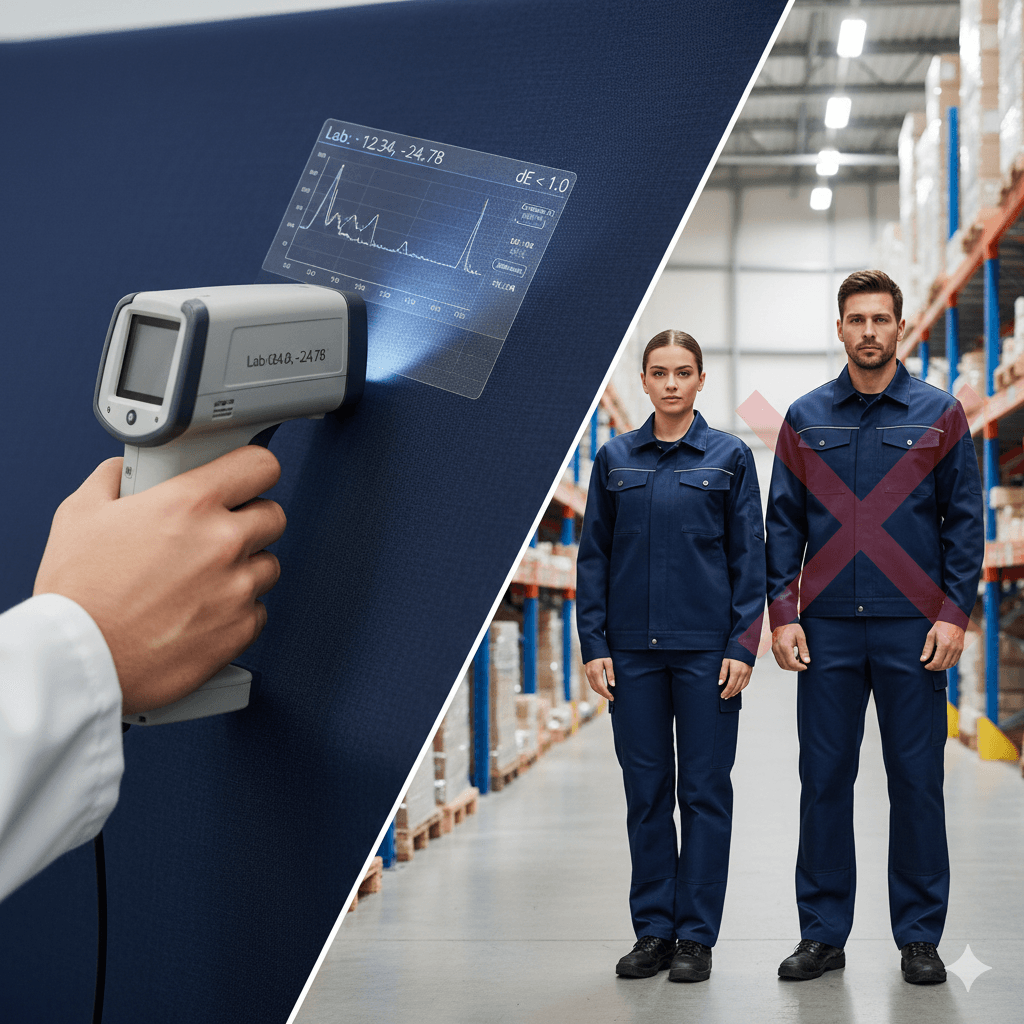 Color Consistency: The Delta-E Standard and the End of the “Clown Suit” Effect2026年2月4日In the corporate world, a uniform is a brand’s […]
 Why Zippers Fail (and How We Prevent It): The Engineering of Closure Reliability2026年2月4日In the hierarchy of industrial garment components, the […]
 The Anatomy of a Seam: Engineering Durability at the Needle Point2026年2月4日In the world of industrial workwear, the fabric gets all […]
 Future Lab PPE Trends: The Convergence of Lightweight Protection & Sustainability2026年1月28日In the sterile corridors of pharmaceutical R&D, biotech […]
 Chemical Protection Classes A/B/C: The Definitive Guide to Risk-Based PPE Selection2026年1月28日In the hazardous materials (HazMat) industry, […]
 Freezer Gloves & Boots Trends: The Intersection of Thermal Physics and Grip Technology2026年1月28日In the unforgiving environment of a -30°C cold storage […]