
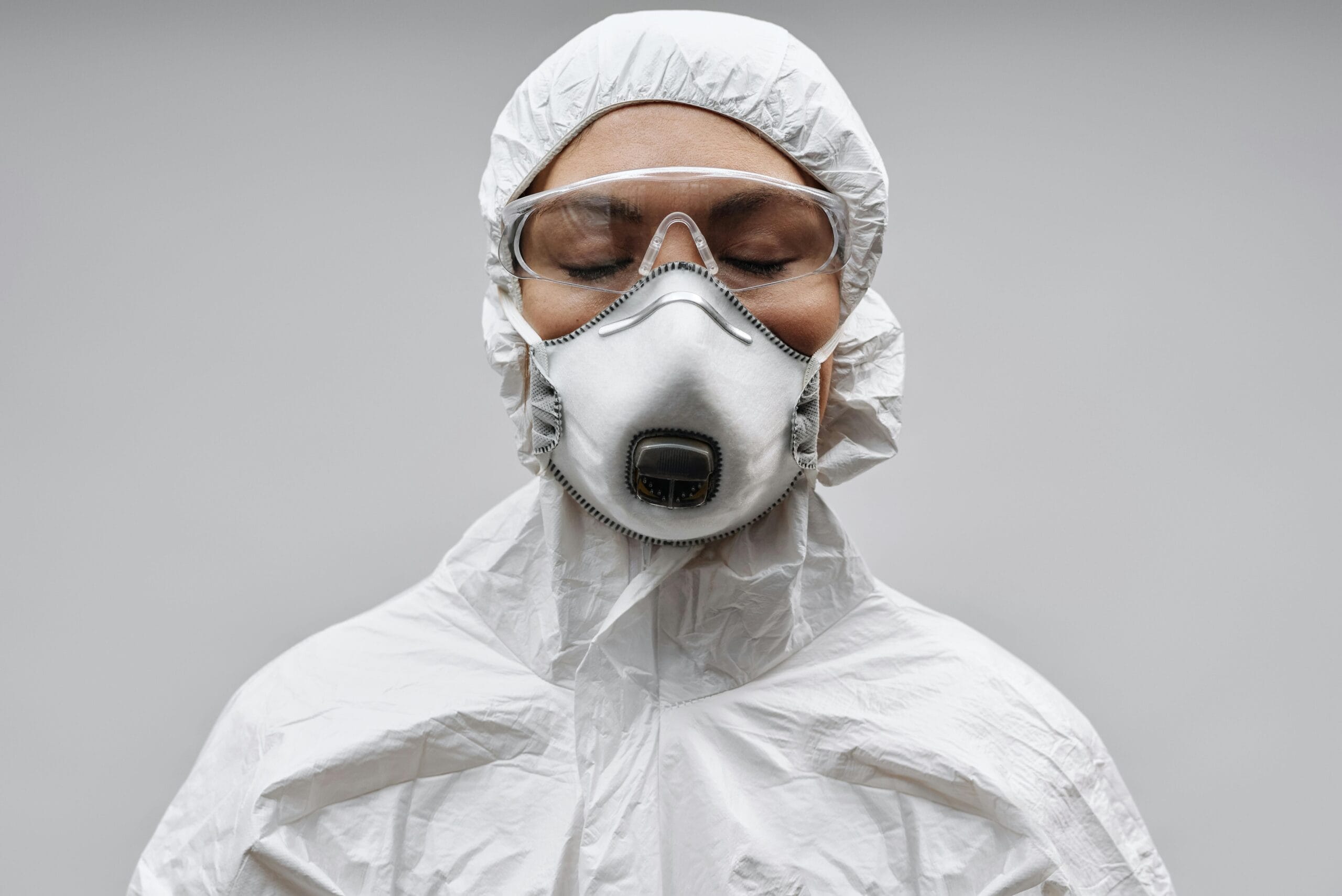
Common Misconceptions About Disposable PPE: What Buyers Get Wrong
Disposable PPE looks simple—but getting it wrong can cost you more than just money.
It can expose workers to chemicals, biohazards, heat stress, or even lawsuits.
And sadly, many buyers fall into the same traps—over and over again.
Let’s break down the top misconceptions about disposable protective clothing—so you can procure smarter and safer.
Many procurement teams assume all disposable suits are similar—but performance depends on fabric type, standards, seam construction, and proper match to the hazard. Misunderstanding this leads to overprotection, underprotection, or wasted costs.
❌ Misconception #1: “If it’s CE marked, it must be safe.”
Why it’s wrong:
The CE mark only means the suit meets some EU safety requirements. It doesn’t tell you what specific risks it covers.
Real-World Example:
A food processing facility in Italy ordered CE-marked suits for allergen control.
But the suits had no EN 13982 (Type 5) certification and leaked flour dust during cleaning—triggering an allergic incident.
What to do instead:
- Always confirm EN ratings + type (3–6)
- Ask for the Declaration of Conformity (DoC)
- Review technical data sheets for test info
✅ Pro Buyer Tip: The CE mark is a starting point, not a decision point.
❌ Misconception #2: “Thicker = safer.”
Why it’s wrong:
Some thin suits (like Tyvek®) outperform thicker SMS fabrics due to pore structure, lamination, and seam sealing.
Example:
A Chinese lab used a thick SMS suit for virus control thinking “thicker is better”—but it lacked EN 14126 certification, and permeability under pressure let synthetic blood leak through.
✅ Use performance ratings (Type/EN), not feel or weight, to judge protection.
🟢 Procurement Question to Ask:
“What’s the fabric’s resistance to synthetic blood (ASTM F1670 or EN 14126)?”
❌ Misconception #3: “One suit fits all jobs.”
Why it’s wrong:
Disposable PPE is task-specific. Each suit is optimized for a hazard or work style.
| Job Type | Suit Requirement |
|---|---|
| Disinfectant Spraying | Type 4 + chemical compatibility (e.g. chlorine) |
| Metal Grinding | Not suitable for disposable PPE—needs FR gear |
| Cleanroom Entry | EN 1149 + lint-free fabric |
| Viral Exposure | EN 14126 + seam sealing |
✅ Match hazard + exposure duration + environment.
📌 Buyer Mistake We’ve Seen:
A Canadian distributor sent a Type 6 suit to a biotech lab working with animal blood. Result? Rejected at inspection. Client demanded refund.
❌ Misconception #4: “If it’s waterproof, it must protect against chemicals.”
Why it’s wrong:
Chemical resistance is about permeation, not just water repellency.
Case:
A Vietnamese chemical plant used waterproof PVC-like suits during ammonia line repairs. But after 12 minutes, ammonia vapor broke through the non-sealed seams, causing skin irritation.
✅ Always refer to permeation data or compatibility charts from Tychem®, ChemMax®, or Ansell®.
🟢 Ask your supplier:
“Can you provide the breakthrough time of this fabric against our solvent or acid?”
❌ Misconception #5: “Type 5 or 6 suits can be reused if not visibly damaged.”
Why it’s dangerous:
One-time use suits are engineered for single exposure cycles.
Moisture, movement, and even skin oils can degrade suit performance.
Industry Insight:
Many pharmaceutical manufacturers shred suits after each room cycle to avoid cross-contamination—even if the suit “looks fine”.
✅ Reusing disposable suits can invalidate GMP, HACCP, or ISO cleanroom certification.
❌ Misconception #6: “It’s cheaper to just buy one kind of suit for everything.”
Why it’s wrong:
One-size-fits-all = wasted spend on overprotection OR risk from underprotection.
Better strategy:
Create a tiered system:
| Risk Level | Recommended Suit |
|---|---|
| Low (dust only) | Type 5 – SMS coverall |
| Medium (liquid splash) | Type 6 microporous suit |
| High (virus/chemical) | Type 3/4 + EN 14126 + sealed seams |
📌 Clients who adopt a 3-tier PPE system usually save 20–30% annually by aligning protection to real-world exposure.
❌ Misconception #7: “All disposable suits are uncomfortable anyway.”
Why it’s outdated:
Modern suits now include:
- Breathable back panels
- Stretch gussets for crouching/kneeling
- Hood compatibility with helmets
- Anti-fog face shields
✅ There are even gender-specific sizing and anti-microbial linings in some advanced models.
🟢 Typical Worker Feedback Issue:
“It’s too hot, I sweat like crazy.”
✅ Solution: Choose Type 5/6 hybrid suits with SMS back + microporous front.
✅ How to Avoid These Mistakes
- Always confirm EN + Type + task compatibility
- Ask for real test reports—not just brochures
- Match PPE to risk, not just to cost
- Involve EHS or safety officers in final decisions
- Train your team to spot protection gaps
Conclusion
When it comes to disposable PPE, what you don’t know can hurt you—or your workers.
Avoiding these common mistakes will help you buy safer, smarter, and more cost-effectively.
Need help reviewing your PPE specs or replacing “unlabeled” suits?
Let’s talk—our team offers guidance for sourcing and training.
📩 Email: [email protected]
🌐 Website: www.workwearsolutions.net

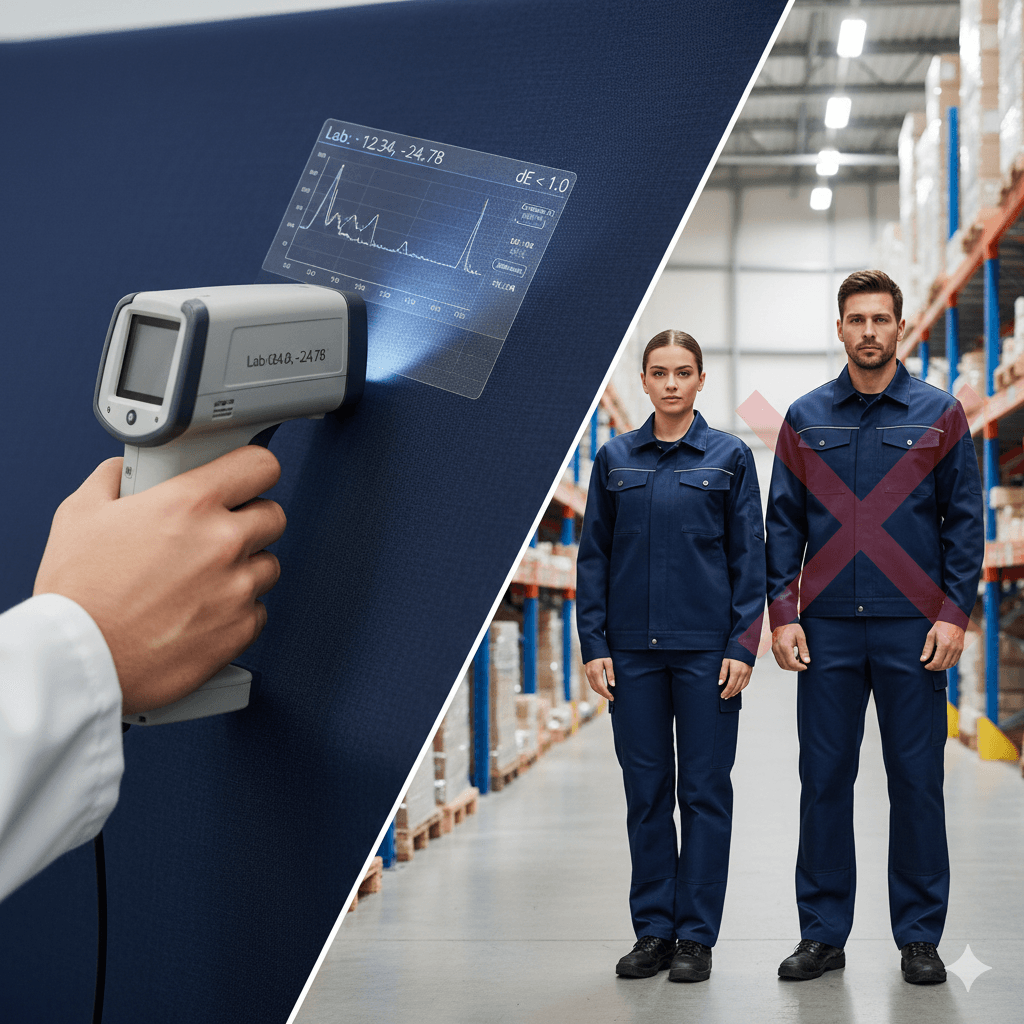 Color Consistency: The Delta-E Standard and the End of the “Clown Suit” Effect2026年2月4日In the corporate world, a uniform is a brand’s […]
 Why Zippers Fail (and How We Prevent It): The Engineering of Closure Reliability2026年2月4日In the hierarchy of industrial garment components, the […]
 The Anatomy of a Seam: Engineering Durability at the Needle Point2026年2月4日In the world of industrial workwear, the fabric gets all […]
 Future Lab PPE Trends: The Convergence of Lightweight Protection & Sustainability2026年1月28日In the sterile corridors of pharmaceutical R&D, biotech […]
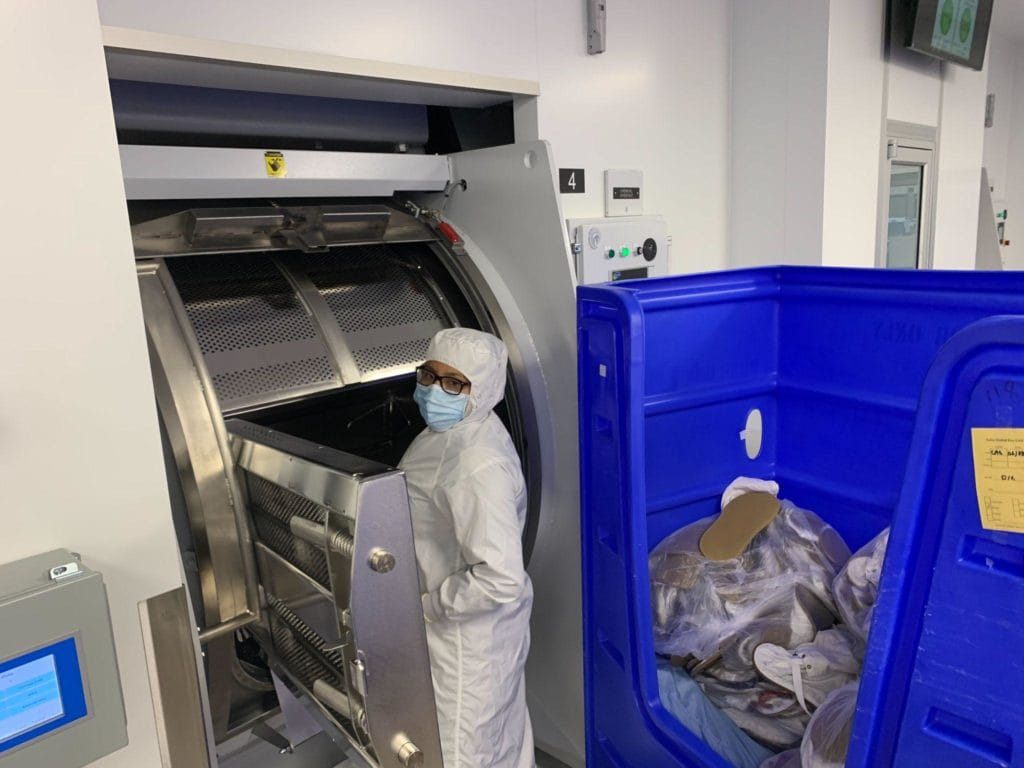 Chemical Protection Classes A/B/C: The Definitive Guide to Risk-Based PPE Selection2026年1月28日In the hazardous materials (HazMat) industry, […]
 Freezer Gloves & Boots Trends: The Intersection of Thermal Physics and Grip Technology2026年1月28日In the unforgiving environment of a -30°C cold storage […]