
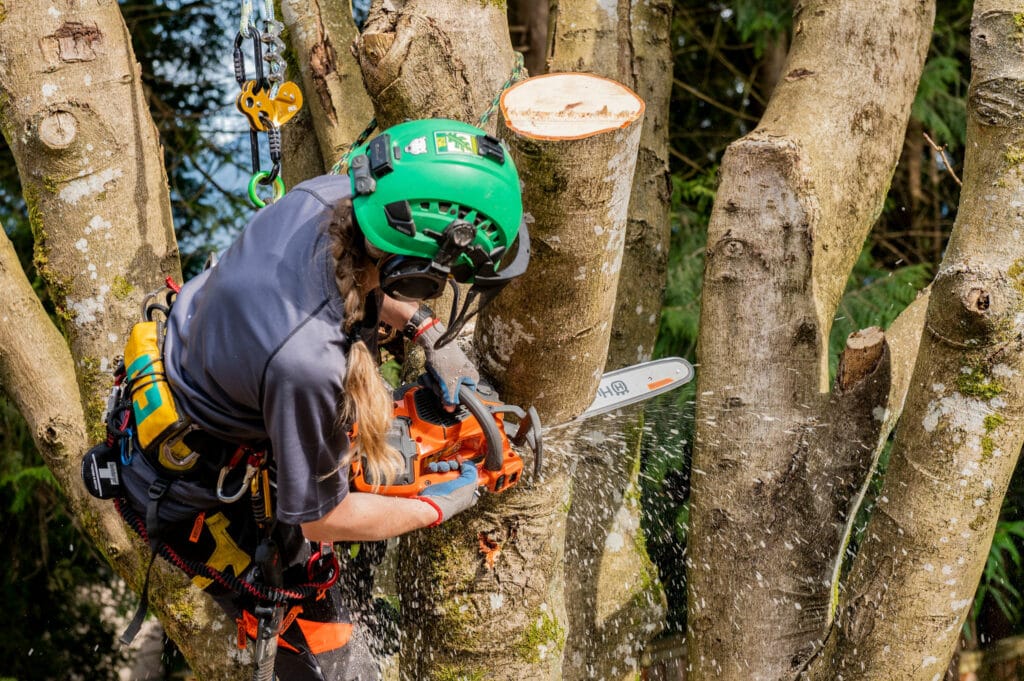
Chainsaw work rarely happens in perfect conditions. Rain turns the ground slippery, winter brings freezing temperatures, and summer heat risks dehydration and heat stress. Standard PPE often fails in these extremes, compromising comfort, mobility, and even safety.
This guide explains:
- Why climate-specific PPE matters
- Key features for wet, cold, and hot environments
- Real-world scenarios and practical buying advice
- How to avoid common mistakes
Google Snippet: Quick Answer
Chainsaw PPE for extreme conditions includes waterproof breathable fabrics for rain, insulated layers for cold, and lightweight ventilated materials for heat. Buyers should choose certified gear that balances protection, climate adaptability, and worker comfort to prevent fatigue and accidents.
Why Weather-Adapted PPE Is Non-Negotiable
Extreme conditions amplify risks:
- Rain: Wet gear becomes heavy, reducing mobility.
- Snow: Hypothermia and frostbite hazards increase fatigue and error rates.
- Heat: Thick PPE traps body heat, causing heat stress or dehydration.
Case Example #1 (Norway):
A forestry operator working at -15°C suffered frostbite because his standard pants soaked through. After switching to insulated, waterproof EN ISO 11393 pants, he reported zero cold injuries in 2 years.Case Example #2 (Brazil):
Crews in tropical climates saw a 40% drop in productivity due to heat-related fatigue. Upgrading to lightweight Dyneema® pants with ventilation restored work output and reduced sick leave.
Chainsaw PPE for Rain and Wet Conditions
Key Features:
- Waterproof membranes (GORE-TEX® or PU coating)
- Fully taped seams to block water penetration
- Quick-dry outer layers to prevent heavy, waterlogged gear
Boots:
- EN ISO 17249 boots with waterproof lining
- Slip-resistant soles for muddy terrain
Pro Tip:
Choose PPE that maintains breathability while offering rain protection—plastic-like coatings trap sweat.
Chainsaw PPE for Snow and Freezing Conditions
Key Features:
- Insulated layers for warmth without bulk
- Windproof outer shell with high tear resistance
- Extended gaiters and storm flaps on chaps or pants
Boot Recommendations:
- Waterproof boots with thermal liners
- Composite toe for better insulation compared to steel
Layering Strategy:
Moisture-wicking base layer + insulated mid-layer + chainsaw protective outer layer.
Chainsaw PPE for Hot and Humid Environments
Key Features:
- Lightweight Dyneema®-based fabrics (up to 40% lighter than Kevlar®)
- Mesh ventilation zones without compromising safety
- High-visibility colors for outdoor safety under strong sun
Glove Tip:
Choose gloves with breathable backs and sweat-wicking linings.
Field Insight:
Operators in hot climates reported 30% less fatigue when switching from traditional Kevlar® PPE to ventilated Dyneema® pants.
Standards Still Apply—Even in Extreme Gear
- EN ISO 11393: Protective clothing for chainsaw users
- EN ISO 17249: Footwear cut resistance
- EN 343: Waterproof and breathable garment standard
- ASTM F1897: U.S. chainsaw leg protection
Buyer Warning:
Some “weather-proof” gear sold online does not include chainsaw protection layers—always check certification.
Common Buyer Mistakes
- Choosing rain gear that covers PPE (illegal in many regions because it blocks chainsaw protection)
- Ignoring ventilation in hot-weather PPE
- Assuming insulated boots = chainsaw boots (not always true)
- Skipping replacement when waterproof membranes fail
Quick Procurement Checklist for Extreme Conditions
- [ ] EN ISO 11393-certified chainsaw pants/chaps with climate-specific features
- [ ] EN 343 compliance for waterproof garments
- [ ] EN ISO 17249-certified waterproof boots with insulation (for cold)
- [ ] Lightweight ventilated gear for hot climates
- [ ] Supplier offers care instructions to maintain weatherproofing
- [ ] Optional add-ons: cooling vests for heat, anti-fog visors for cold
Buyer FAQ
Q: Can I wear rain pants over chainsaw chaps?
A: No. Covering PPE can trap fibers and prevent them from stopping the chain.Q: Is there PPE suitable for all seasons?
A: Yes, modular systems with removable liners work for year-round use.Q: How do I know if waterproofing still works?
A: Water beading on the surface is a good sign. If water soaks in, the membrane may need re-treatment.
Conclusion
Climate-specific PPE keeps workers safe and productive, even in extreme weather. For buyers, the priority is protection + comfort + compliance—never sacrifice one for the other.
Need chainsaw PPE certified for rain, snow, or heat?
Email: [email protected]
Website: www.workwearsolutions.net

 Color Consistency: The Delta-E Standard and the End of the “Clown Suit” Effect2026年2月4日In the corporate world, a uniform is a brand’s […]
 Why Zippers Fail (and How We Prevent It): The Engineering of Closure Reliability2026年2月4日In the hierarchy of industrial garment components, the […]
 The Anatomy of a Seam: Engineering Durability at the Needle Point2026年2月4日In the world of industrial workwear, the fabric gets all […]
 Future Lab PPE Trends: The Convergence of Lightweight Protection & Sustainability2026年1月28日In the sterile corridors of pharmaceutical R&D, biotech […]
 Chemical Protection Classes A/B/C: The Definitive Guide to Risk-Based PPE Selection2026年1月28日In the hazardous materials (HazMat) industry, […]
 Freezer Gloves & Boots Trends: The Intersection of Thermal Physics and Grip Technology2026年1月28日In the unforgiving environment of a -30°C cold storage […]