
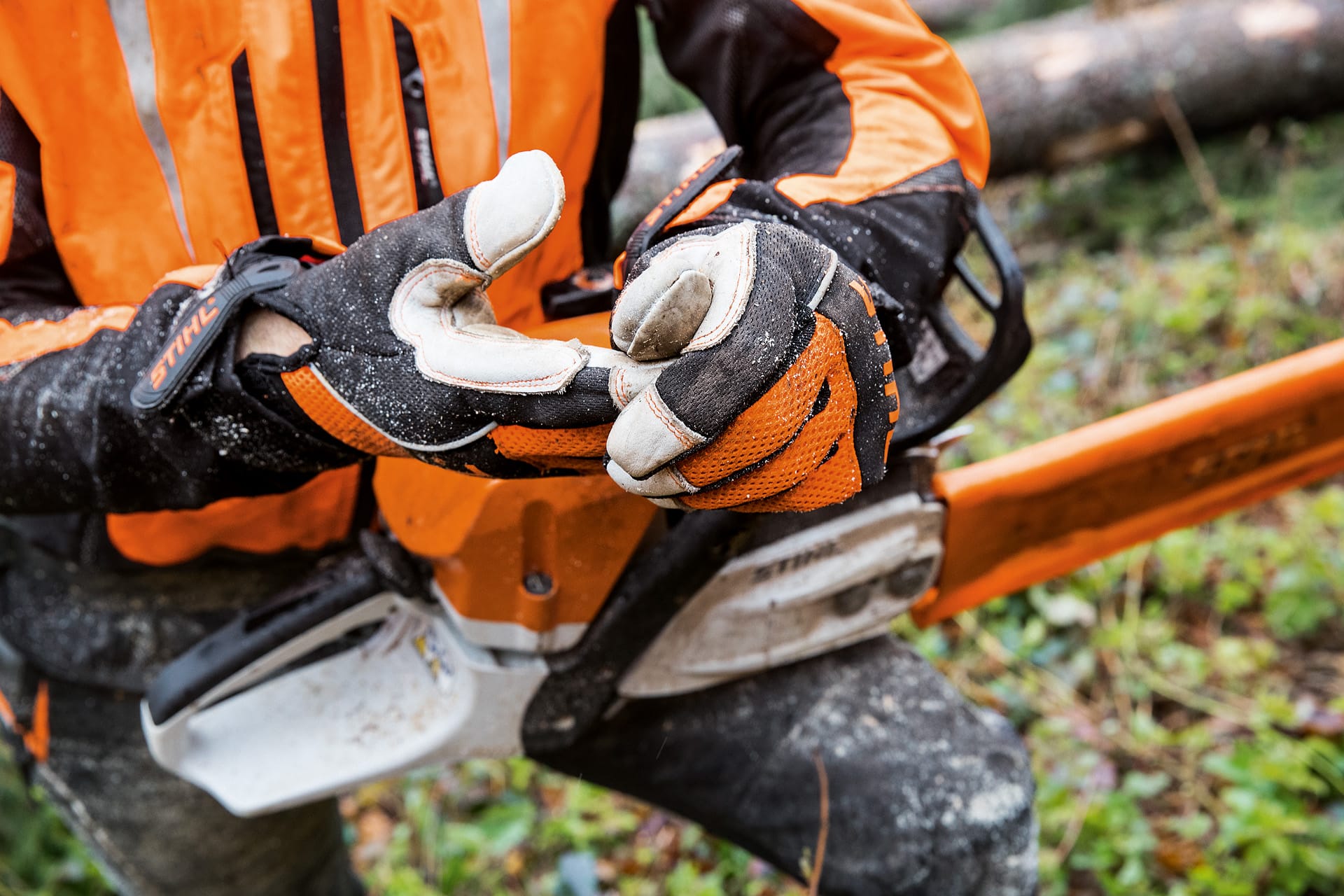
Buyer’s Guide: Questions to Ask Before Purchasing Chainsaw PPE
Buying chainsaw protective gear isn’t just a transaction—it’s a safety-critical decision that can affect lives and your company’s compliance record. One wrong purchase can lead to injuries, lawsuits, and heavy fines. This expanded guide equips you with the right questions, real-world lessons, and a practical procurement checklist to ensure zero compromise on safety.
Google Snippet: Quick Answer
Before buying chainsaw PPE, ask suppliers for EN ISO 11393 or ASTM F1897 certification, traceability documents, care guides, and warranty details. Always verify labels, request lab reports, and avoid uncertified or generic CE-marked products to ensure compliance and worker safety.
Why Asking the Right Questions Matters
Cutting corners on PPE isn’t a cost-saving move—it’s a liability:
- Uncertified gear = increased injury risk
- Non-compliance = fines, lawsuits, and lost contracts
- Poor quality = frequent replacements and higher costs
Case Example #1 (USA):
A tree service company purchased “cheap chainsaw pants” online for $40 each. After a chainsaw strike, the pants failed instantly. OSHA investigation revealed no ASTM compliance, resulting in a $12,500 fine plus a $28,000 injury claim.Case Example #2 (EU):
A logging contractor faced a €20,000 penalty when EN ISO 11393 compliance couldn’t be verified during a safety audit. The supplier had provided fake certificates with no valid notified body number.Case Example #3 (Canada):
A firm switched to a reputable supplier who provided full batch traceability and warranty support. Result: improved audit scores, zero PPE-related incidents, and insurance premium discounts.
Key Questions to Ask Suppliers
1. Is the PPE Certified to International Standards?
Ask for:
- EN ISO 11393: Chainsaw protective clothing
- ASTM F1897: U.S. standard for leg protection
- EN ISO 17249: Chainsaw boots
- ANSI Z89.1 / EN 397: Helmets
- EN ISO 11393-4: Chainsaw gloves
Pro Tip:
Always demand the actual certificate PDF with traceable ID, not just a picture.
2. Can You Provide Test Reports?
- Request recent lab test reports showing cut-resistance performance.
- Ensure protection class matches your chainsaw:
- Class 1 = 20 m/s
- Class 2 = 24 m/s
- Class 3 = 28 m/s
Example:
A Canadian buyer discovered via lab report that a “Class 1” chap sold online could only stop 14 m/s chains—far below compliance.
3. What’s the Replacement and Warranty Policy?
- Will the supplier replace PPE after a chainsaw strike?
- Do they provide a clear lifespan guide (e.g., helmets: 3–5 years, gloves: until fibers degrade)?
4. Do You Provide Maintenance and Care Guides?
- Proper cleaning preserves certification integrity.
- Does the supplier include:
- Washing instructions for pants/chaps
- Waterproof care tips for boots
- Helmet storage recommendations
5. How Do You Handle Batch Traceability?
- Ask for:
- Lot numbers on every item
- Traceability system for audits and ISO 45001 compliance
Best Practice:
Buyers managing 50+ units should request spreadsheet traceability data for quick safety checks.
Common Pitfalls to Avoid
- Accepting “CE certified” claims without EN ISO standard numbers.
- Buying from platforms where certification authenticity cannot be verified.
- Overlooking comfort features—uncomfortable PPE leads to non-compliance in the field.
- Failing to check manufacture dates—helmets older than 5 years should be retired.
Red Flag:
A $25 pair of “chainsaw pants” with no batch code and no care instructions is almost certainly fake.
Printable Procurement Checklist
| Item | Verified? |
|---|---|
| EN ISO / ASTM certification confirmed | ☐ |
| Batch number and traceability checked | ☐ |
| Latest lab test report provided | ☐ |
| Correct class rating for chainsaw speed | ☐ |
| Maintenance and care guide included | ☐ |
| Warranty and replacement policy defined | ☐ |
| Supplier references verified | ☐ |
Buyer FAQ
Q: Is a CE mark alone enough for compliance?
A: No. CE must include EN ISO standard and class details.Q: How do I spot fake certificates?
A: Check the notified body number against the EU NANDO database.Q: Should I request sample garments for verification?
A: Yes, especially for bulk orders. Inspect labels and fabric quality before confirming purchase.
Additional Buying Tips
- Ask suppliers if they provide training materials on correct PPE use.
- Compare total cost of ownership (initial cost + lifespan + replacement policy).
- For large orders, negotiate service agreements for periodic safety checks.
Conclusion
Buying chainsaw PPE requires diligence, not guesswork. Ask the hard questions, demand real proof, and prioritize both compliance and comfort to protect your team and your company.
Need chainsaw PPE with certifications, traceability, and after-sales support?
Email: [email protected]
Website: www.workwearsolutions.net

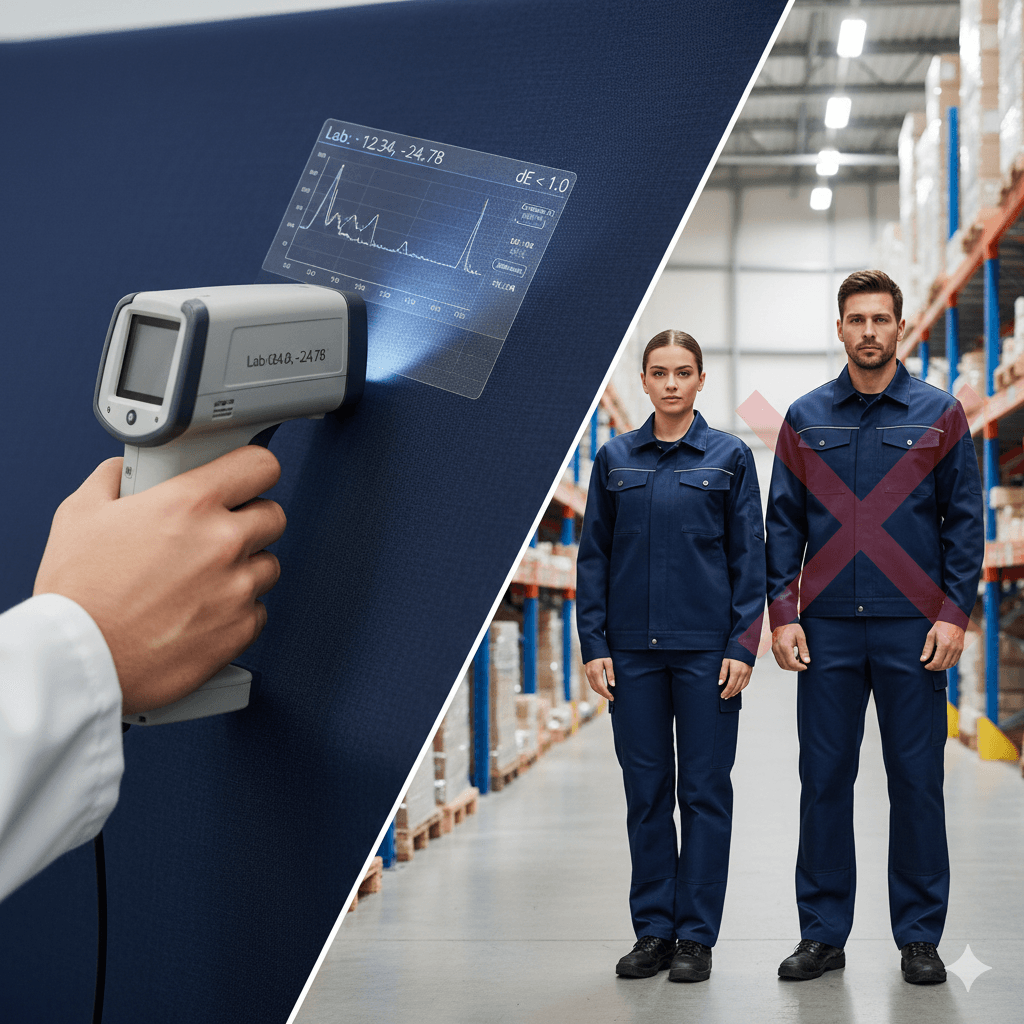 Color Consistency: The Delta-E Standard and the End of the “Clown Suit” Effect2026年2月4日In the corporate world, a uniform is a brand’s […]
 Why Zippers Fail (and How We Prevent It): The Engineering of Closure Reliability2026年2月4日In the hierarchy of industrial garment components, the […]
 The Anatomy of a Seam: Engineering Durability at the Needle Point2026年2月4日In the world of industrial workwear, the fabric gets all […]
 Future Lab PPE Trends: The Convergence of Lightweight Protection & Sustainability2026年1月28日In the sterile corridors of pharmaceutical R&D, biotech […]
 Chemical Protection Classes A/B/C: The Definitive Guide to Risk-Based PPE Selection2026年1月28日In the hazardous materials (HazMat) industry, […]
 Freezer Gloves & Boots Trends: The Intersection of Thermal Physics and Grip Technology2026年1月28日In the unforgiving environment of a -30°C cold storage […]