
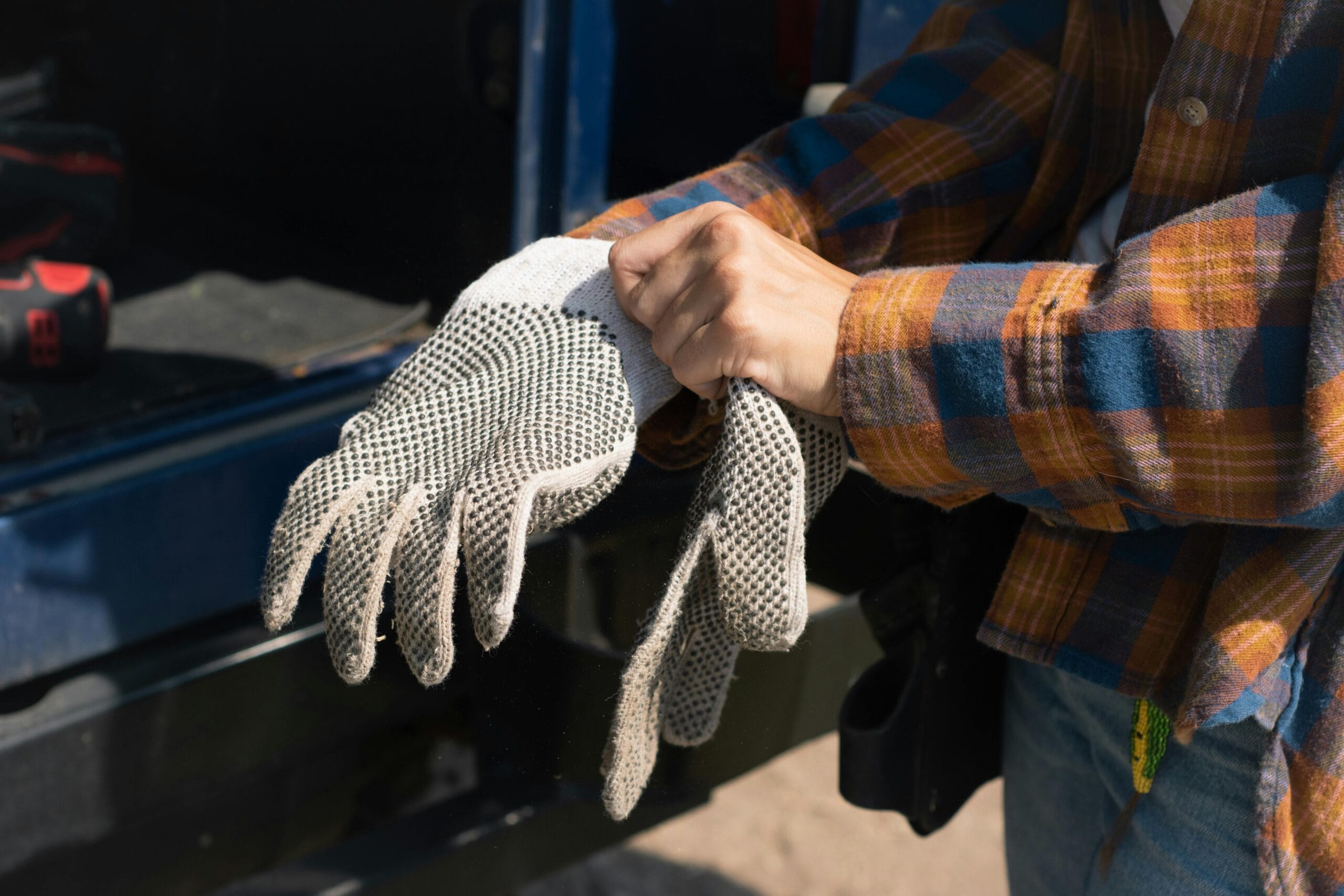
In the world of heavy industry—spanning metal fabrication, mining, forestry, and waste management—workwear is not just a uniform; it is the primary barrier between the worker and severe mechanical hazards. Operators face daily exposure to sharp metal edges, abrasive concrete surfaces, glass shards, and extreme friction.
Traditionally, companies treated workwear as a fast-moving consumable. However, a paradigm shift is occurring. By leveraging high-abrasion fabrics combined with advanced cut-resistant yarns, businesses can now extend garment lifespans by 2–3 times. Furthermore, the integration of high-tenacity Recycled Polyester and Recycled Nylon is allowing procurement teams to meet strict ESG (Environmental, Social, and Governance) goals without sacrificing the mechanical performance required by safety officers.
This guide combines Part 1 (Technical Fundamentals: Fibers, Weaves, and Standards) and Part 2 (Strategic Sourcing: ROI, ESG Compliance, and Market Trends) to provide a complete decision-making toolkit for sourcing next-generation industrial workwear.
Google Snippet: Quick Answer
Modern heavy-duty workwear must synthesize extreme durability with environmental responsibility. To extend garment lifespan by 200–300%, specifications should combine high-tenacity outer shells (e.g., Cordura®, heavy canvas) with cut-resistant liners (Para-aramid or UHMWPE) in high-risk zones. Crucially, Global Recycled Standard (GRS) certified recycled polyester and nylon have now reached parity with virgin fibers in tensile strength, making them the preferred choice for EU and US buyers focusing on ESG sustainability audits.
1. Why High-Wear Environments Require Specialized Reinforcement
The Cost of Premature Failure
In industries like metal fabrication or aggregate mining, standard cotton/poly blend trousers often fail within 3 months.
- Abrasion Failure: Knees and thighs wear through due to constant friction against rough surfaces.
- Tear Failure: Snagging on machinery or materials causes catastrophic ripping.
- Impact: This leads to a constant cycle of purchasing, measuring, and issuing new kit, inflating the Total Cost of Ownership (TCO).
The Laceration Risk
- Standard workwear offers zero protection against slicing injuries.
- In waste management and recycling, workers handling bags often encounter hidden glass or medical waste.
- Solution: Integrating cut-resistant yarns (ISO 13997 Level C-F) prevents life-altering injuries and costly insurance claims.
The ESG Mandate
- The textile industry is a massive contributor to landfill waste.
- Fast Workwear (cheap, short-life garments) is becoming a liability in corporate sustainability reports.
- European and American buyers are now mandating recycled content in RFPs (Request for Proposals) to meet carbon reduction targets.
2. Relevant Safety and Testing Standards
Understanding the difference between a "strong fabric" and a "certified safety fabric" lies in the testing protocols.
| Standard | Test Method | Purpose | Relevance to Workwear |
|---|---|---|---|
| EN 388:2016 | TDM-100 Test | Measures cut resistance (A–F) using a straight blade under variable force. | Essential for gloves and reinforced garment zones (e.g., forearm guards, thigh patches). |
| EN ISO 12947 | Martindale Cycles | Measures abrasion resistance by rubbing fabric in a figure-8 pattern until yarn breakage. | Standard: 20k cycles. High-Wear: 50k+ cycles. Extreme: 100k+ cycles (Cordura®/Nylon 6.6). |
| EN ISO 13937 | Tear Strength | Measures the force required to propagate an existing tear. | Vital for preventing small snags from becoming large holes. |
| ANSI/ISEA 105 | US Cut Standard | Measures cut resistance in grams of force (A1–A9). | The North American equivalent to EN 388; critical for US exports. |
| GRS (Global Recycled Standard) | Supply Chain Audit | Verifies recycled content, chain of custody, and social/environmental practices. | Mandatory for verifying claims about recycled polyester/nylon durability. |
Technical Note: Do not confuse weight (GSM) with strength. A 300gsm heavy cotton canvas will fail an abrasion test much faster than a 220gsm Cordura® Nylon blend. Fiber tenacity trumps fabric weight.
3. Material Selection: The "Hybrid" Approach
To achieve the goal of extending garment life by 2–3 times, manufacturers must move away from mono-material designs and embrace hybrid construction. This involves using specific materials for specific zones of the garment.
A. The Outer Shell: Abrasion Resistance
The outer layer takes the abuse. It must resist rubbing and snagging.
- Nylon 6.6 (Cordura® style): The gold standard. Extremely high melting point and abrasion resistance (>100,000 Martindale cycles).
- Recycled Polyester (rPET) Canvas: When woven with high-tenacity filaments, rPET now offers abrasion resistance comparable to virgin polyester, but with a 50% lower carbon footprint.
- Ripstop Weaves: A grid-pattern weave that prevents tears from spreading.
B. The Inner Shield: Cut Protection
For zones at risk of laceration (forearms, thighs, abdomen), a liner is laminated or sewn beneath the shell.
- Para-aramid (Kevlar® style): High heat resistance and cut resistance. Best for welders or environments with sparks.
- UHMWPE (Dyneema®/Spectra® style): Ultra-High Molecular Weight Polyethylene. It is 15x stronger than steel by weight and cool to the touch. Best for glass handling and general logistics.
C. The Sustainable Revolution: Recycled Synthetics
- The Myth: "Recycled plastic fibers are weak."
- The Reality: Modern mechanical and chemical recycling processes produce Recycled High-Tenacity Nylon and Polyester that meet the same ISO strength standards as virgin fibers.
- The Benefit: Using a 65% Recycled Polyester / 35% Cotton blend allows a supplier to pass ESG audits while maintaining industrial laundry stability (ISO 15797).
4. Case Study Comparisons by Industry Segment
| Industry | The Hazard profile | Advanced Workwear Specification | Outcome & Lifespan Increase |
|---|---|---|---|
| Metal Fabrication | Sharp sheet metal, welding sparks, rough grinding. | Shell: 100% Cotton Flame Retardant (FR). Reinforcement: Para-aramid patches on thighs/knees. |
3.5x Lifespan. Eliminated leg lacerations; pants lasted 14 months vs. 4 months. |
| Waste & Recycling | Glass shards, hypodermic needles, unpredictable waste. | Shell: High-vis Recycled Polyester. Liner: UHMWPE cut-resistant mesh in legs. |
2x Lifespan. Reduced "snag-and-tear" replacement rates by 60%. |
| Forestry & Arboriculture | Chainsaw operating (20 m/s chain speed), thorny underbrush. | Shell: Water-repellent 600D Recycled Nylon. Core: Multi-layer clogging fibers (Class 1 protection). |
Standard Compliance. Met EN 381-5 while reducing garment weight by 15% using modern tech fibers. |
| Road Construction | Asphalt contact (heat/tar), kneeling on concrete. | Shell: Poly-cotton with Cordura® Nylon knee pockets. Padding: Insertable knee pads. |
3x Lifespan. Knee areas remained intact for 1 year+; reduced knee injuries. |
5. Common Procurement Mistakes in Durable Workwear
| Mistake | Impact | Prevention Tip |
|---|---|---|
| Specifying by GSM only | Buyers ask for "300gsm fabric" assuming it’s strong. A 300gsm cotton drills holes easily; a 240gsm Nylon blend does not. | Specify Abrasion Cycles (Martindale) and Tensile Strength, not just weight. |
| Ignoring "Zone" Reinforcement | Applying expensive fabric to the entire garment makes it stiff, hot, and expensive. | Use Body Mapping: Expensive reinforcement only on knees, elbows, and hems. Use breathable stretch fabric elsewhere. |
| Overlooking Seam Strength | The fabric lasts, but the crotch seam bursts. | Require Triple-Needle Stitching and Bar-tack reinforcements at all stress points. |
| Fearing Recycled Fibers | Believing recycled polyester creates "pilling" or weakness. | Request Anti-Pilling finish and high-tenacity rPET verification. The tech has matured. |
| Neglecting Industrial Wash Testing | Buying gear that shrinks 10% after the first hot wash (60°C+). | Mandate ISO 15797 testing (Industrial Laundering) to ensure zippers and fabrics survive 50+ wash cycles. |
Example: A German logistics firm switched from standard 100% cotton pants (€15) to a Recycled Poly/Cotton blend with Cordura knee patches (€28).
- Initial Spend: +86%
- Annual Replacement Rate: Dropped from 3.5 pairs/person to 1.2 pairs/person.
- Net Annual Savings: 30% reduction in total budget, plus a significant boost in their ESG sustainability score.
6. ROI Analysis: The "Cost-Per-Wear" Model
Procurement managers often struggle to justify the higher upfront cost of reinforced, sustainable workwear. The metric to use is Cost-Per-Wear (CPW).
Scenario: A construction crew of 100 workers.
| Metric | Option A: Basic Work Pant | Option B: Reinforced Recycled Blend |
|---|---|---|
| Unit Purchase Price | $20.00 | $45.00 |
| Average Lifespan | 4 Months | 12 Months |
| Replacements Per Year | 3 | 1 |
| Admin/Processing Cost | $15.00 (3 orders/year) | $5.00 (1 order/year) |
| Total Annual Cost Per Worker | $75.00 | $50.00 |
| Environmental Impact | 3 garments to landfill | 1 garment (made of recycled waste) |
Result: Option B yields a 33% direct cost saving, reduces warehouse logistics, and provides a marketing story regarding sustainability.
7. Buyer Checklist for High-Performance Workwear
When issuing a tender or contacting suppliers for abrasion and cut-resistant gear, use this checklist to ensure quality and compliance.
Fabric & Fiber:
- [ ] Martindale Rating: Is the main fabric rated >50,000 cycles? Is the reinforcement >100,000?
- [ ] Cut Level: If handling sharp objects, is there an EN 388 / ANSI cut rating specified?
- [ ] Recycled Content: Is the Recycled Polyester/Nylon GRS (Global Recycled Standard) certified? Ask for the TC (Transaction Certificate).
Construction:
- [ ] Reinforcement Zones: Are knees, cuffs, and pocket entries reinforced with Nylon 6.6 or similar?
- [ ] Stitching: Are triple-stitched seams used on the inseam and back rise?
- [ ] Mobility: Does the garment include a "gusseted crotch" or mechanical stretch panels to prevent blowout during squatting?
Compliance:
- [ ] Color Fastness: Grade 4 or higher to prevent fading in industrial washes.
- [ ] Dimensional Stability: Shrinkage less than 3% at 60°C wash.
- [ ] Traceability: Can the supplier trace the recycled yarn back to the source?
8. Frequently Asked Questions (FAQ)
Q1: Will recycled polyester workwear feel like plastic or make workers sweat? A: No. Modern "moisture-wicking" finishes and blending recycled polyester with cotton (e.g., 65/35 blends) creates a fabric that feels identical to traditional poly-cotton but with better durability and sustainability.
Q2: Can we wash cut-resistant pants in normal industrial laundry? A: Yes, but with caveats. UHMWPE (Dyneema) is sensitive to high heat (do not iron/tunnel dry above 100°C). Para-aramid (Kevlar) is sensitive to bleach. You must choose the fiber based on your laundry process.
Q3: Is "Cordura" the only option for abrasion resistance? A: Cordura® is a brand name for Nylon 6.6. While it is the market leader, there are other unbranded high-tenacity Nylon 6.6 fabrics that offer similar performance at a lower cost, provided they pass the Martindale test.
Q4: How does using recycled materials help my company? A: Beyond the environmental good, many EU and US government contracts now award "points" for sustainable procurement. Using GRS-certified gear can be the tie-breaker that wins you a contract.
Q5: Why combine Cut-Resistant Yarn with Abrasion Resistant Fabric? Why not just one? A: They solve different problems. A fabric can be hard to cut but easy to fray (abrasion). A fabric can be hard to rub through but easy to slice with a knife. The combination ensures total protection.
9. Advanced Sourcing Strategies: The ESG Edge
-
Require GRS Transaction Certificates (TC): Don’t just accept a "Recycled" tag. A TC is a legal document proving the specific batch of yarn in your order came from a recycler. This eliminates "greenwashing."
-
Lifecycle Assessment (LCA) Data: Ask your supplier for LCA data comparing their recycled blend to virgin equivalents. You can use this data in your company’s Annual Sustainability Report.
-
Design for Disassembly: Work with suppliers who design garments where zippers and reflective tapes can be easily removed, making the garment itself recyclable at the end of its life.
-
Consignment Stocking: For high-value, long-life items, negotiate consignment stock to reduce your inventory liability while ensuring workers always have access to safety gear.
-
Wear Trials: Never commit to a 2-year contract without a 30-day wear trial. Give the "Option B" pants to your toughest workers and measure the wear pattern.
10. Conclusion
The era of disposable industrial workwear is ending. By transitioning to Abrasion & Cut Resistant Workwear utilizing High-Tenacity Recycled Fibers, companies can solve three problems at once:
- Safety: Drastically reduce cut and abrasion injuries.
- Financial: Cut annual procurement budgets by 30% through extended product lifespans.
- Environmental: Meet strict ESG targets by reducing textile waste and carbon emissions.
Quality is not an expense; it is an investment in your workforce and your brand’s future.
📩 Need help sourcing High-Performance, GRS-Certified Workwear directly from the manufacturer? We specialize in stable quality, compliant products, and long-term cooperation. Email: [email protected] 🌐 www.workwearsolutions.net

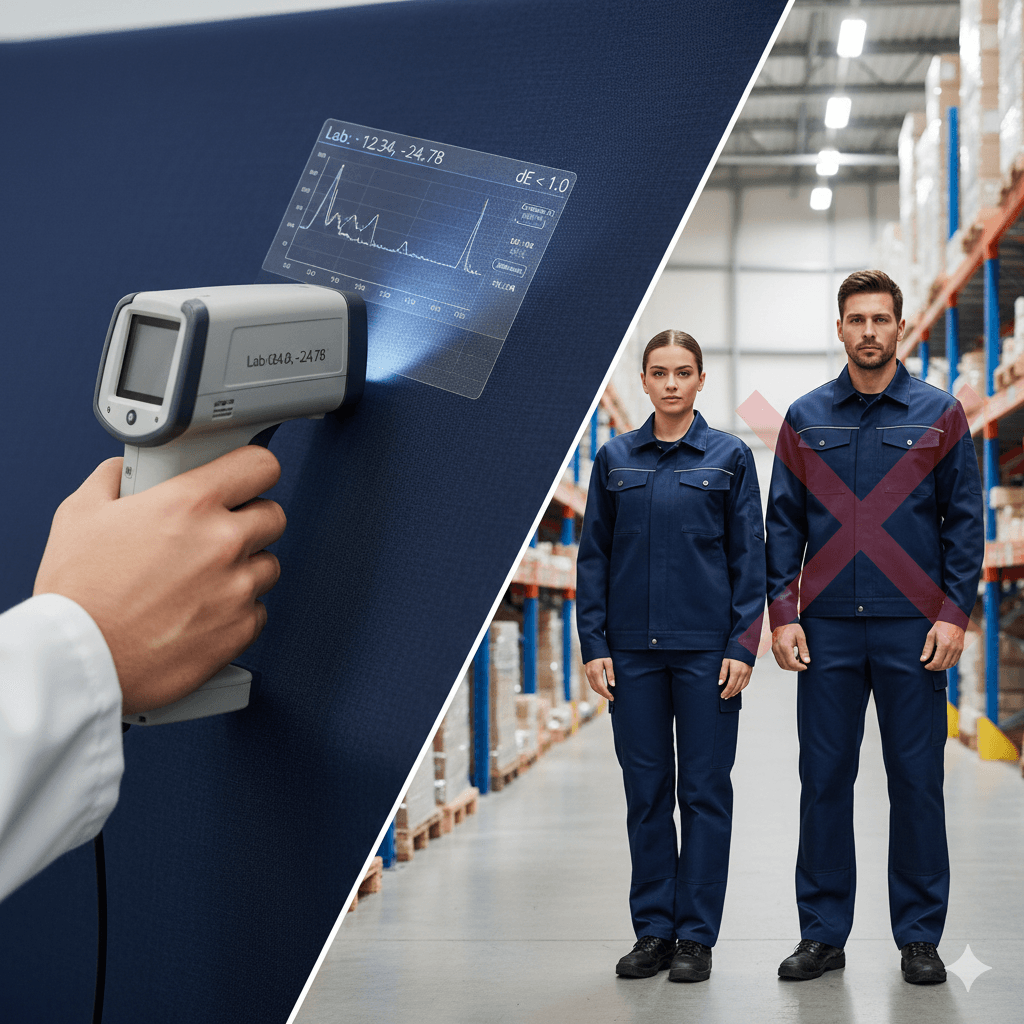 Color Consistency: The Delta-E Standard and the End of the “Clown Suit” Effect2026年2月4日In the corporate world, a uniform is a brand’s […]
 Why Zippers Fail (and How We Prevent It): The Engineering of Closure Reliability2026年2月4日In the hierarchy of industrial garment components, the […]
 The Anatomy of a Seam: Engineering Durability at the Needle Point2026年2月4日In the world of industrial workwear, the fabric gets all […]
 Future Lab PPE Trends: The Convergence of Lightweight Protection & Sustainability2026年1月28日In the sterile corridors of pharmaceutical R&D, biotech […]
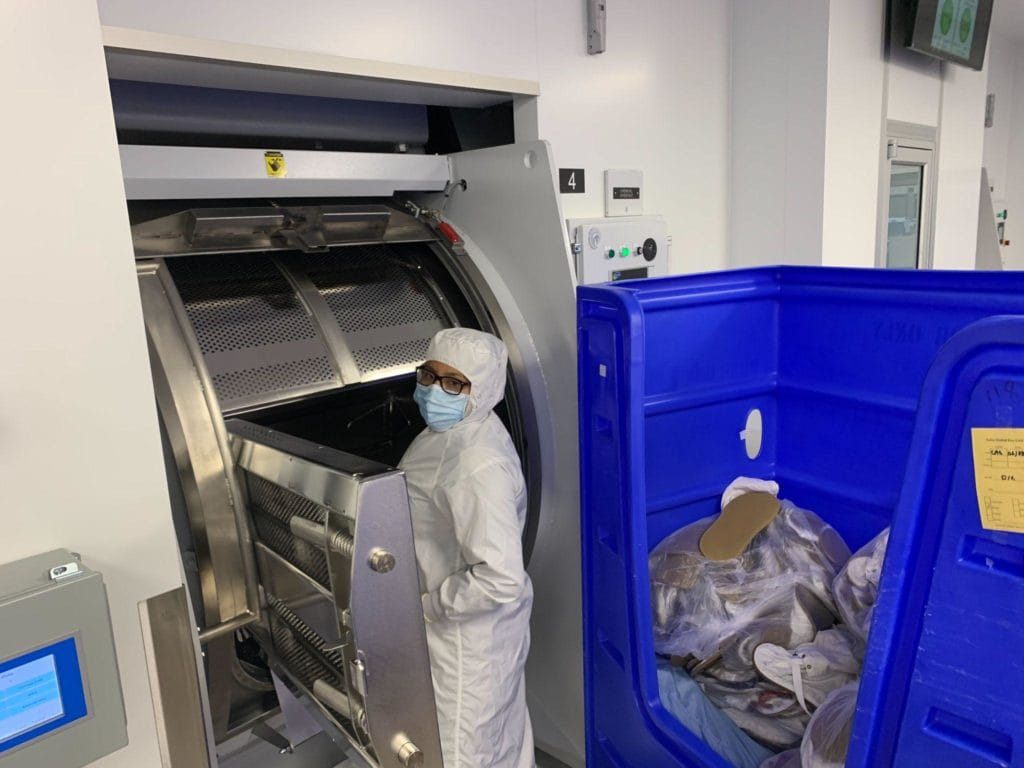 Chemical Protection Classes A/B/C: The Definitive Guide to Risk-Based PPE Selection2026年1月28日In the hazardous materials (HazMat) industry, […]
 Freezer Gloves & Boots Trends: The Intersection of Thermal Physics and Grip Technology2026年1月28日In the unforgiving environment of a -30°C cold storage […]