

In the sterile corridors of pharmaceutical R&D, biotech labs, and university research centers, a quiet revolution is underway. For decades, the industry standard has been single-use plastics: cheap, disposable, polypropylene (SMS) gowns that are worn for two hours and then incinerated. This linear model is no longer sustainable—economically or environmentally.
The future of Laboratory Personal Protective Equipment (PPE) is defined by two powerful, intersecting trends: Radical Lightweighting (enhancing comfort and agility) and Circular Reusability (reducing waste and carbon footprint).
Laboratories are moving away from the "throwaway culture" toward High-Performance Microfilament Textiles that offer superior barrier protection against biohazards and chemicals while surviving 75+ sterilization cycles. This shift is not just about "going green"; it is about supply chain resilience, cost control, and user compliance.
This guide combines Part 1 (The Material Science of the Future) and Part 2 (Strategic Implementation & ROI) to provide a complete decision-making toolkit for transitioning your lab to the next generation of PPE.
Google Snippet: Quick Answer
The future of lab PPE lies in "Smart Reusability." New high-density microfilament fabrics (polyester/carbon blends) provide a bacterial filtration efficiency (BFE) >98% and liquid resistance equivalent to disposable SMS, but with 30% less weight and 10x higher breathability. By adopting validated reusable gowning systems, labs can reduce plastic waste by 80% and lower Total Cost of Ownership (TCO) by 40% over a 3-year period.
1. The Problem with the Status Quo: Why Disposables are Dying
The Sustainability Crisis
- The Volume: A medium-sized research facility generates approximately 100 tons of plastic waste annually from disposable gowns, shoe covers, and bouffant caps.
- The Disposal: Because this waste is potentially bio-contaminated, it cannot be recycled easily. It is autoclaved (energy intensive) and then incinerated or landfilled.
- The Mandate: Global initiatives like the EU Green Deal and corporate Net Zero targets are forcing procurement to find alternatives to single-use plastics.
The Supply Chain Vulnerability
- The Lesson of 2020: The COVID-19 pandemic exposed the fragility of the disposable supply chain. When global demand spiked, labs ran out of essential gear because they relied on just-in-time shipments of single-use items.
- The Solution: Reusable inventory acts as a buffer. A stock of washable gowns allows a lab to operate independently of global shipping disruptions for months.
The Comfort Deficit
- Thermal Stress: Disposable SMS (Spunbond-Meltblown-Spunbond) is essentially plastic. It traps heat and moisture. Researchers wearing it for 4+ hours suffer from cognitive fatigue due to heat stress.
- The Future: Advanced woven textiles breathe like athletic wear while blocking liquids.
2. Trend 1: Lightweight Material Engineering
The new generation of lab coats and cleanroom suits is built on Nanotechnology and Micro-denier Fibers.
High-Density Microfilament (The "Barrier Weave")
- Technology: Using continuous filament polyester threads that are thinner than silk (< 0.1 dtex). These are tightly woven into a grid.
- Mechanism: The gaps between fibers are too small for water droplets ( carrying bacteria) to pass through, but large enough for water vapor molecules (sweat) to escape.
- Result: A fabric that is Liquid Repellent (Hydrostatic Head > 30cm) but Breathable (RET < 6).
Carbon Grid Integration (ESD Safety)
- The Hazard: Static electricity can damage sensitive instruments or ignite solvent vapors.
- The Innovation: Nega-Stat® or Belltron® carbon fibers are woven into the fabric every 5mm. Unlike chemical anti-static treatments that wash out, this Inherent ESD protection lasts for the life of the garment.
Antimicrobial Finishes
- The Upgrade: Applying Silane Quaternary Ammonium or Zinc Omadine treatments to the fabric.
- Function: These do not replace sterilization, but they act as a "biostatic" layer, preventing bacteria from multiplying on the lab coat surface between washes.
3. Trend 2: The "Circular" Service Model
The future isn’t just buying a product; it’s subscribing to a cycle.
The Validated Laundry Loop
- Process: Used garments are collected in bio-hazard bags. They are transported to a specialized Cleanroom Laundry.
- Sterilization: They undergo thermal disinfection (washing at 75°C) or Steam Sterilization (Autoclave at 134°C).
- Repair: RFID chips track every garment. If a zipper breaks or a tear appears, it is repaired immediately.
- Return: Sterile, folded garments are returned to the lab.
RFID Tracking & Lifecycle Management
- Data: Every lab coat has a unique digital ID.
- Tracking: The system tracks:
- Number of wash cycles (e.g., 55 / 75).
- User assignment (Who has it?).
- Repair history.
- Benefit: Automated re-ordering when stock reaches end-of-life. No more manual inventory counts.
4. Case Study Comparisons: Old vs. New
| Feature | Traditional Disposable (SMS) | Future Reusable (Microfilament) | Operational Impact |
|---|---|---|---|
| Weight | 45-60 gsm (Feels stiff) | 90-110 gsm (Feels like silk) | While heavier in GSM, the drape makes it feel lighter. |
| Breathability | Low (Traps heat) | High (Wicks moisture) | Reduced "gowning fatigue" during long experiments. |
| Durability | Single Use (Tears easily) | 75-100 Cycles | Massive reduction in warehouse storage space needed. |
| Waste | 100% to Incinerator | 2% to Recycle (End of life) | Meets ISO 14001 Environmental goals. |
| Cost | Low unit price / High volume | High unit price / Low volume | Lower Total Cost of Ownership. |
5. Common Procurement Mistakes in Future Lab PPE
| Mistake | Impact | Prevention Tip |
|---|---|---|
| Comparing Unit Price Only | "Reusables cost $30, disposables cost $1." | Calculate Cost-Per-Use. $30 / 75 washes = $0.40 per use. Reusables are cheaper. |
| Ignoring Laundry Logistics | Buying reusable coats without a contract for validated cleaning. | You are buying a Service, not just a product. Partner with a certified laundry first. |
| Over-Specifying | Requiring "Sterile" gowns for a Biosafety Level 1 (BSL-1) lab. | Match the PPE to the Risk Assessment. Clean (non-sterile) is sufficient for many basic labs. |
| Neglecting Fit | Buying "Unisex" sacks. Poor fit causes sleeves to drag in chemicals. | Look for adjustable cuffs (knit or snap) and ergonomic patterns that fit diverse body types. |
| Fearing Cross-Contamination | "If we wash it, will the virus survive?" | Validated laundries use thermal and chemical disinfection (EN 14065) proven to kill all pathogens. |
6. ROI Analysis: The Green Ledger
Switching to the "Lab of the Future" model saves money, but the savings are realized over time.
Scenario: A Biotech Lab with 50 Researchers.
- Usage: 2 changes per day x 5 days x 50 weeks = 25,000 changes/year.
| Metric | Disposable Model | Reusable Model |
|---|---|---|
| Purchase Cost | $1.50 x 25,000 = $37,500 | $35.00 x 400 suits = $14,000 |
| Laundry/Processing | $0 | $0.80 x 25,000 = $20,000 |
| Waste Disposal | $5,000 (3 tons of waste) | $100 (End of life recycling) |
| Logistics/Storage | High (Weekly deliveries) | Low (Quarterly restock) |
| Total Year 1 Cost | $42,500 | $34,100 |
| 3-Year Projection | $127,500 | $80,000 (Suits last >1 year) |
Result: A 37% Saving over 3 years, plus a massive reduction in ESG carbon reporting.
7. Buyer Checklist for Future-Ready Lab Gear
Fabric Technology:
- [ ] Filament: Is it 100% continuous filament polyester (zero linting)?
- [ ] Grid: Is there a visible carbon grid for ESD protection?
- [ ] Comfort: Does it have a hydrophilic finish for moisture wicking?
Design Features:
- [ ] High Neck: Does the collar cover the neck completely (Mandarin collar) to protect against splashes?
- [ ] Cuffs: Are cuffs knitted (comfort) or elastic (sterile)? Knitted cuffs retain particles; elastic/microfiber cuffs are cleaner.
- [ ] Pockets: Are pockets internal only? External pockets trap contaminants.
Supplier Capability:
- [ ] Lifecycle Data: Can they prove the garment lasts 75 washes via lab testing?
- [ ] Traceability: Is the supply chain transparent (fabric mill to factory)?
- [ ] Recycling Program: Do they take the garments back at the end of life?
8. Frequently Asked Questions (FAQ)
Q1: Will reusable gowns lose their fluid resistance? A: Yes, over time. The fluorocarbon (DWR) finish degrades.
- Solution: A professional cleanroom laundry will re-impregnate the fabric with liquid repellent treatment every 10–20 washes to maintain the barrier.
Q2: Are reusable suits hot? A: Older ones were. Modern Microfilament fabrics are extremely breathable (Air Permeability > 10 cfm). They are significantly cooler than disposable Tyvek® or SMS.
Q3: How do I track how many times a gown has been washed? A: RFID or Barcode. The laundry scans the chip every cycle. The system alerts when the gown reaches its maximum validated life (e.g., 75 cycles) and it is pulled from circulation.
Q4: Can we use reusable gowns in BSL-3 or BSL-4 labs? A: Yes, but the protocols are stricter. The garments usually require Autoclaving (Steam Sterilization) after every use. Ensure the fabric is rated for 134°C steam.
Q5: What happens to the garments at the end of their life? A: Because they are 100% Polyester, they are highly recyclable. They can be shredded and melted down to make plastic pellets for automotive parts or construction insulation. This is "Circular Economy."
9. Advanced Strategies: The Smart Lab
-
Inventory Vending Machines: Place RFID-enabled vending machines at the cleanroom entrance. Users swipe their badge to get a fresh suit. This tracks usage per department and prevents hoarding.
-
Color Coding by Zone: Use different colored trims (collars/cuffs) for different bio-safety levels.
- Blue: General Lab.
- Green: Sterile Processing.
- Red: Bio-Hazard Containment.
- Benefit: Instant visual confirmation that a worker is in the right zone.
-
Hybrid Approaches: Use reusables for 90% of daily tasks. Keep a small emergency stock of disposables for visitors or contractors who don’t fit the sizing matrix.
10. Conclusion
The "Future of Lab PPE" is a shift from Consumption to Management.
By embracing Lightweight Reusables, laboratories transform a waste stream into an asset. They improve the physical well-being of their scientists, secure their supply chain against global disruption, and demonstrate tangible environmental leadership.
The science inside the lab is cutting-edge. It is time the clothing worn by the scientists caught up.
Lighter. Stronger. Cleaner. Greener.
📩 Need samples of High-Performance Reusable Lab Coats or a TCO Calculator? We specialize in sustainable cleanroom and laboratory apparel solutions. Email: [email protected] 🌐 www.workwearsolutions.net

 Architecting Resilience: Single Sourcing vs. Dual Sourcing Strategies in Global PPE Procurement2026年4月30日Executive Summary In the complex landscape of industrial […]
 Pattern Grading for Global Bodies: The Engineering of Anthropometric Fit in Industrial Workwear2026年4月29日In the highly regulated landscape of industrial Personal […]
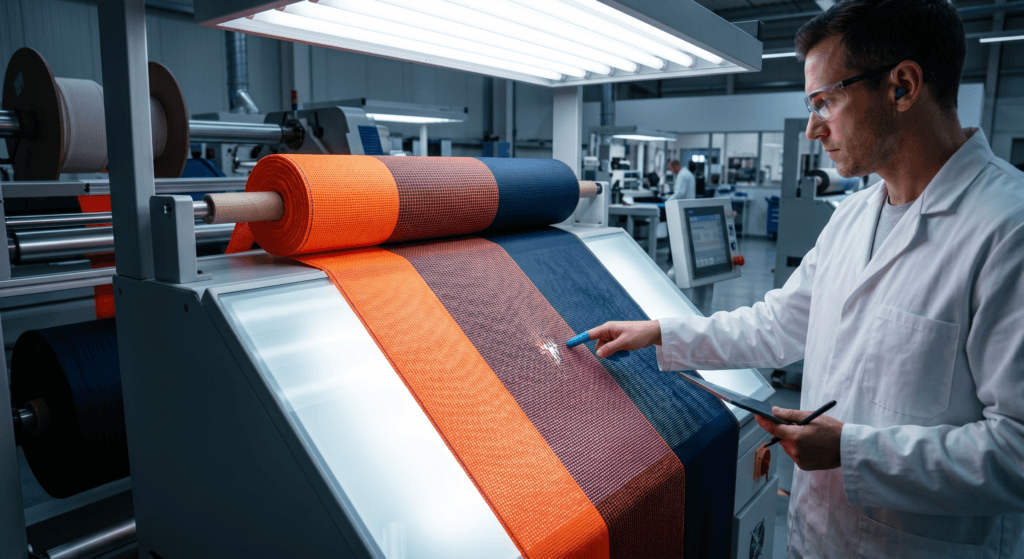 The “Light Box” Inspection: Deconstructing Fabric Defect Diagnostics and the 4-Point Quality System2026年4月28日The structural integrity and visual uniformity of […]
 The Engineering of Waterproof Breathable Workwear: A Forensic Analysis of PU Coatings vs. PTFE Membranes2026年4月24日The selection of waterproof foul-weather gear in industrial […]
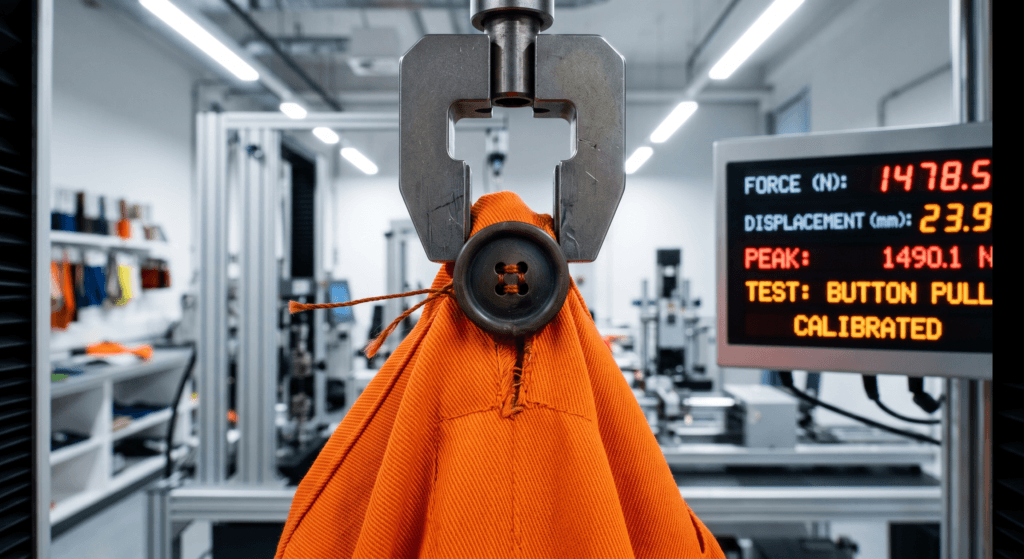 The “Button Pull” Test Protocol: Engineering Fastener Security to Mitigate Industrial Machinery and Choking Hazards2026年4月22日The “Button Pull” Test Protocol: Engineering […]
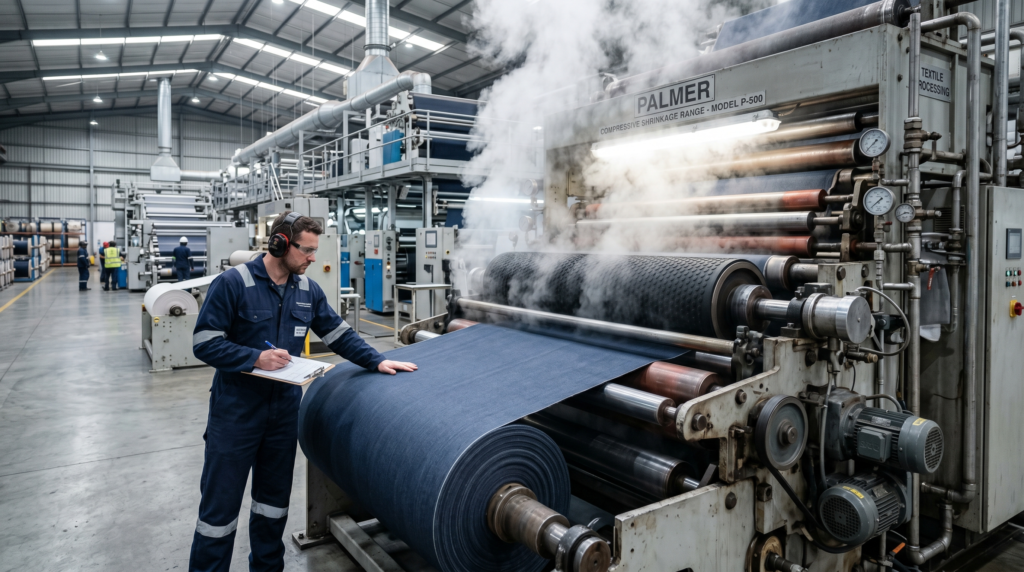 Fabric Shrinkage in Industrial Workwear: The Sanforization Secret and the Physics of Dimensional Stability2026年4月18日Executive Summary In the global industrial workwear and […]