
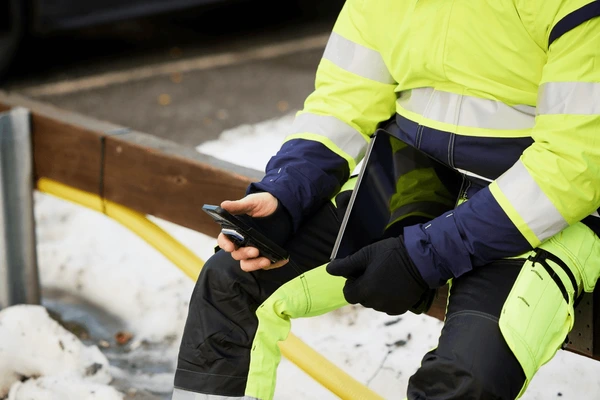
In the modern industrial landscape, global operations demand that workforces function efficiently in the most hostile environments on Earth. From the sub-zero cold chains of Nordic logistics hubs (-40°C) to the scorching construction sites of the Middle East (+50°C), the human body remains the most vulnerable asset.
Traditional workwear solutions—simply adding bulk for cold or stripping down for heat—are no longer sufficient. They lead to restricted mobility, heat stress, hypothermia, and catastrophic productivity losses. The future of PPE lies in Climate-Adaptive Systems: gear that utilizes Phase Change Materials (PCMs), Aerogel insulation, and advanced moisture management to regulate body temperature dynamically.
This guide combines Part 1 (Thermodynamics and Material Science) and Part 2 (Strategic Sourcing, ROI, and Field Implementation) to provide a complete decision-making toolkit for equipping teams in extreme climates.
Google Snippet: Quick Answer
Climate-adaptive workwear focuses on "thermoregulation" rather than just static insulation. For Arctic/Cold Store environments, this means using low-bulk Aerogel and multi-layer systems (EN 342) that prevent sweat from freezing. For Middle East/High Heat, it requires UV-reflective fabrics, active evaporative cooling technologies, and high breathability (low Ret value) to prevent heat stroke. The key is a modular layering system that adapts to the worker’s metabolic rate and external environment.
1. The Physiology of Extremes: Why Standard Gear Fails
The Cold Challenge (Arctic & Cold Storage)
- The Hazard: Environments ranging from -20°C to -50°C cause blood vessels to constrict (vasoconstriction), reducing blood flow to extremities.
- The "Sweat Trap": If a worker exerts themselves in a heavy, non-breathable parka, they sweat. When they stop moving, that sweat cools instantly, acting as a conductive layer that sucks heat away from the body 25x faster than air.
- Result: Hypothermia, frostbite, and stiff/clumsy movement leading to accidents.
The Heat Challenge (Middle East & Heavy Industry)
- The Hazard: Ambient temperatures of 45°C+ combined with radiant solar heat push the body’s cooling system to the limit.
- The Evaporation Deficit: High humidity or heavy fabrics prevent sweat from evaporating. The body core temperature rises ($>38°C$), leading to cognitive decline, dizziness, and fatal heat stroke.
- UV Radiation: Direct sun exposure causes immediate burns and long-term skin cancer risks.
The "Shock" Factor
- Workers often transition between zones (e.g., a forklift driver moving from a -25°C freezer to a +20°C loading dock). Static PPE cannot handle this shock; Adaptive PPE is required to buffer the change.
2. Relevant Safety Standards for Extreme Climates
Procurement must look beyond basic safety ratings and analyze thermal specificities.
| Climate | Relevant Standard | Key Metrics Measured |
|---|---|---|
| Extreme Cold | EN 342 | Icler (Resultant Effective Thermal Insulation): Measures insulation of the full ensemble. Air Permeability (AP): Wind resistance (Classes 1–3). |
| Cool Environments | EN 14058 | Protection against cool environments (-5°C and above). Critical for warehouses that are chilly but not freezing. |
| Heat & Flame | EN ISO 11612 | Performance Level C: Protection against radiant heat. Breathing Ability: Often assessed via RET values. |
| UV Protection | EN 13758-2 | UPF Rating: Must be >40 to block 97.5% of UV rays in desert environments. |
| Rain/Breathability | EN 343 | Ret (Water Vapour Resistance): Crucial for both heat (sweat escape) and cold (keeping dry). Lower Ret = Better breathability. |
3. Material Selection: The "Smart Layering" Revolution
Modern adaptive workwear relies on a 3-layer system where materials interact to manage energy.
Layer 1: Base Layer (Moisture Management)
- Avoid: Cotton (It absorbs moisture and holds it against the skin—"Cotton Kills" in the cold).
- Select: Merino Wool (natural temp regulation) or Hydrophobic Synthetics (Polypropylene/Polyester) that wick sweat to the next layer.
Layer 2: Mid Layer (The Adaptive Insulator)
- Phase Change Materials (PCMs): Micro-capsules embedded in the fiber that absorb heat when the body gets hot (melting) and release it when the body gets cold (solidifying). Perfect for fluctuating temps.
- Aerogel Composites: Originally developed by NASA. It is the lightest solid insulator in existence.
- Benefit: Provides the warmth of 40mm of down feathers in a 3mm strip. Reduces bulk by 50%, allowing mobility.
Layer 3: Outer Shell ( The Shield)
- Cold: Breathable waterproof membranes (e.g., Gore-Tex, Sympatex) that stop wind but let steam escape.
- Heat: Aramid/Modacrylic blends with "wicking finishes" and localized venting. Light colors to reflect solar radiation.
| Material Class | Application | Pro | Con |
|---|---|---|---|
| Aerogel (Pyrogel®) | Arctic/Freezer | Extreme insulation, almost zero weight/bulk. | Higher cost than polyester batting. |
| PCMs (Outlast®) | Variable Zones | Active temperature buffering. | Effectiveness limits (has a thermal capacity). |
| Coolmax® / Mesh | Desert Heat | Max airflow and evaporation. | Minimal mechanical protection (snagging). |
| Aluminized Fabrics | Smelter/Foundry | Reflects 95% of radiant heat. | Zero breathability (must be vented). |
4. Case Study Comparisons by Climate Zone
| Scenario | Challenge | Adaptive PPE Solution | Operational Outcome |
|---|---|---|---|
| Siberian Oil Field | -45°C, High Winds, Physical labor. | Base: Heavyweight Merino. Mid: Aerogel Vest. Shell: EN 342 Parka with high collar and faux fur (wind break). |
Mobility: Workers could climb rigs without bulky sleeves. Safety: Zero frostbite incidents in 12 months. |
| Dubai Construction | +48°C, Direct Sun, High Humidity. | Vest: Evaporative Cooling Vest (water-activated). Shirt: UPF 50+ Vented Microfiber. Head: Helmet with nape shade. |
Endurance: Heat stress breaks reduced by 30%. Health: Core body temp remained <37.5°C during peak hours. |
| German Logistics (Cold Chain) | +10°C Loading Dock ↔ -25°C Freezer. | System: "3-in-1" Jacket with Zip-out PCM liner. | Adaptability: Driver adjusts gear in seconds. Cost: One jacket replaced two separate uniforms. |
| Australian Mining | High abrasion rocks + 40°C heat. | Pants: Cordura® Nyco (Nylon/Cotton) blend. Strong but breathable. | Durability: Pants lasted 8 months vs. 2 months for standard cotton, whilst keeping workers cool. |
5. Common Procurement Mistakes in Extreme Weather Gear
| Mistake | Impact | Prevention Tip |
|---|---|---|
| Judging Warmth by Thickness | "Puffier is better." This leads to the "Michelin Man" effect—workers remove gear to move, then freeze. | Procure based on Clo Value (Thermal Resistance) and Agility, not visual thickness. |
| Ignoring Breathability (Ret) | In both heat and cold, trapped sweat is the enemy. It boils you in the desert and freezes you in the arctic. | Mandate EN 343 Class 3 or 4 for breathability (Ret < 12). |
| Using Dark Colors in Heat | Black/Navy absorbs solar radiation, increasing surface temp by 15°C. | Switch to Light Grey, Khaki, or High-Vis Yellow to reflect IR energy. |
| Neglecting Extremities | Buying expensive coats but cheap gloves/socks. | The body sacrifices hands/feet first. Invest in thermal boots (CI rated) and dexterity-focused thermal gloves. |
| Universal Sizing | Air gaps (too big) or compression (too tight) destroys insulation properties. | Offer multi-fit ranges. Insulation works by trapping air; fit is physics. |
Example: A Logistics firm in Chicago bought thick, non-breathable nylon freezer suits.
- Result: Forklift drivers sweat during stacking, then the sweat froze when they sat still on the lift.
- Correction: Switched to breathable, Aerogel-infused jackets. Sickness absence dropped by 25%.
6. ROI Analysis: The Cost of Comfort
Investing in technical fabrics is expensive upfront but cheap long-term.
Scenario: 100 Construction Workers in Saudi Arabia (Summer Project).
| Metric | Basic Cotton Coverall ($20) | Cooling Adaptive System ($80) |
|---|---|---|
| Lifespan | 2 Months (Sweat rot/UV fade) | 9 Months (UV stable synthetic) |
| Replacements/Year | 6 per worker ($120) | 1.3 per worker ($104) |
| Heat Stress Breaks | 20 mins every hour | 10 mins every hour |
| Production Gain | Baseline | +16% Daily Output |
| Medical Incidents | High Risk (Dehydration) | Low Risk |
| Net Financial Impact | Loss via lost time | Profit via efficiency |
7. Buyer Checklist for Climate-Adaptive PPE
For Cold Environments:
- [ ] Standard: Certified to EN 342 (for < -5°C).
- [ ] Insulation: Uses low-bulk fillers (Primaloft, Thinsulate, Aerogel).
- [ ] Design: High back bibs (kidney protection), storm cuffs, and glove-friendly zippers.
- [ ] Flexibility: Does it pass the "Squat Test" without riding up?
For Hot Environments:
- [ ] Fabric: Lightweight (<200gsm), high wicking capability.
- [ ] Venting: Underarm mesh gussets or back yoke vents.
- [ ] UV Rating: Certified UPF 40+ or 50+.
- [ ] Hygiene: Antimicrobial finish to prevent odor buildup from sweat.
General:
- [ ] Layering: Are the base, mid, and outer layers compatible?
- [ ] Durability: High tear strength (ISO 13937) even in lightweight fabrics.
8. Frequently Asked Questions (FAQ)
Q1: Can we use battery-heated jackets for industry? A: Yes, but with caution. Batteries add weight and can be a fire hazard (especially in ATEX zones). Passive insulation (Aerogel) is often more reliable and requires no charging.
Q2: How does a "Cooling Vest" work? A: There are two types:
- Evaporative: Soak in water. As water evaporates, it cools. (Best for dry heat/low humidity).
- Phase Change: Inserts frozen packs into the vest. (Best for high humidity/under protective suits).
Q3: What is the difference between "Waterproof" and "Water Repellent"? A: Water Repellent (DWR) sheds light rain but will eventually soak through. Waterproof (with taped seams) blocks pressurized water. For extreme cold, "Waterproof Breathable" is vital to stop snow melting inwards while letting sweat out.
Q4: Why is my breathable jacket wet inside? A: This is "wetting out." If the outer fabric gets dirty or the DWR fails, the water blocks the pores. The fabric must be washed and re-proofed to function.
Q5: Is natural fiber (Wool/Cotton) better than synthetic? A: Wool is excellent for cold base layers (warm even when wet). Cotton is dangerous in the cold but acceptable in dry heat (though heavy when sweaty). Synthetics rule for moisture management and durability.
9. Advanced Sourcing Strategies
-
Micro-Climate Analysis: Don’t just look at the weather report. Measure the temp inside the crane cab or next to the concrete pour. Source for the micro-climate.
-
Field Trials with Sensors: Equip a test team with the new gear and simple heart-rate/temp monitors. Data beats opinion.
-
Modular Sourcing: Buy shells and liners separately. This allows you to replace a worn-out liner without trashing the expensive waterproof shell.
-
Sustainability: Look for Solution Dyed fabrics (saves water) and Recycled Polyester insulation to meet ESG goals without losing thermal performance.
-
Look for "Smart" Features: QR codes for laundry tracking, RFID for inventory, and "man-down" sensors integrated into the jackets for remote workers.
10. Conclusion
In the battle against the elements, bulk is the enemy and intelligence is the ally.
Whether your team is facing the biting winds of the Arctic or the relentless sun of the Middle East, the solution is the same: Adaptive, Multi-Layer Systems. By moving away from static "stuffed" clothing and embracing Phase Change Materials, Aerogels, and Breathable Synthetics, you transform PPE from a hindrance into a performance enhancer.
Protect the core, manage the moisture, and the productivity will follow.
📩 Need help sourcing Aerogel Cold Gear or High-Heat Cooling Workwear? We provide certified, field-tested adaptive solutions for global industries. Email: [email protected] 🌐 www.workwearsolutions.net

 Architecting Resilience: Single Sourcing vs. Dual Sourcing Strategies in Global PPE Procurement2026年4月30日Executive Summary In the complex landscape of industrial […]
 Pattern Grading for Global Bodies: The Engineering of Anthropometric Fit in Industrial Workwear2026年4月29日In the highly regulated landscape of industrial Personal […]
 The “Light Box” Inspection: Deconstructing Fabric Defect Diagnostics and the 4-Point Quality System2026年4月28日The structural integrity and visual uniformity of […]
 The Engineering of Waterproof Breathable Workwear: A Forensic Analysis of PU Coatings vs. PTFE Membranes2026年4月24日The selection of waterproof foul-weather gear in industrial […]
 The “Button Pull” Test Protocol: Engineering Fastener Security to Mitigate Industrial Machinery and Choking Hazards2026年4月22日The “Button Pull” Test Protocol: Engineering […]
 Fabric Shrinkage in Industrial Workwear: The Sanforization Secret and the Physics of Dimensional Stability2026年4月18日Executive Summary In the global industrial workwear and […]