
Google Snippet: Quick Answer
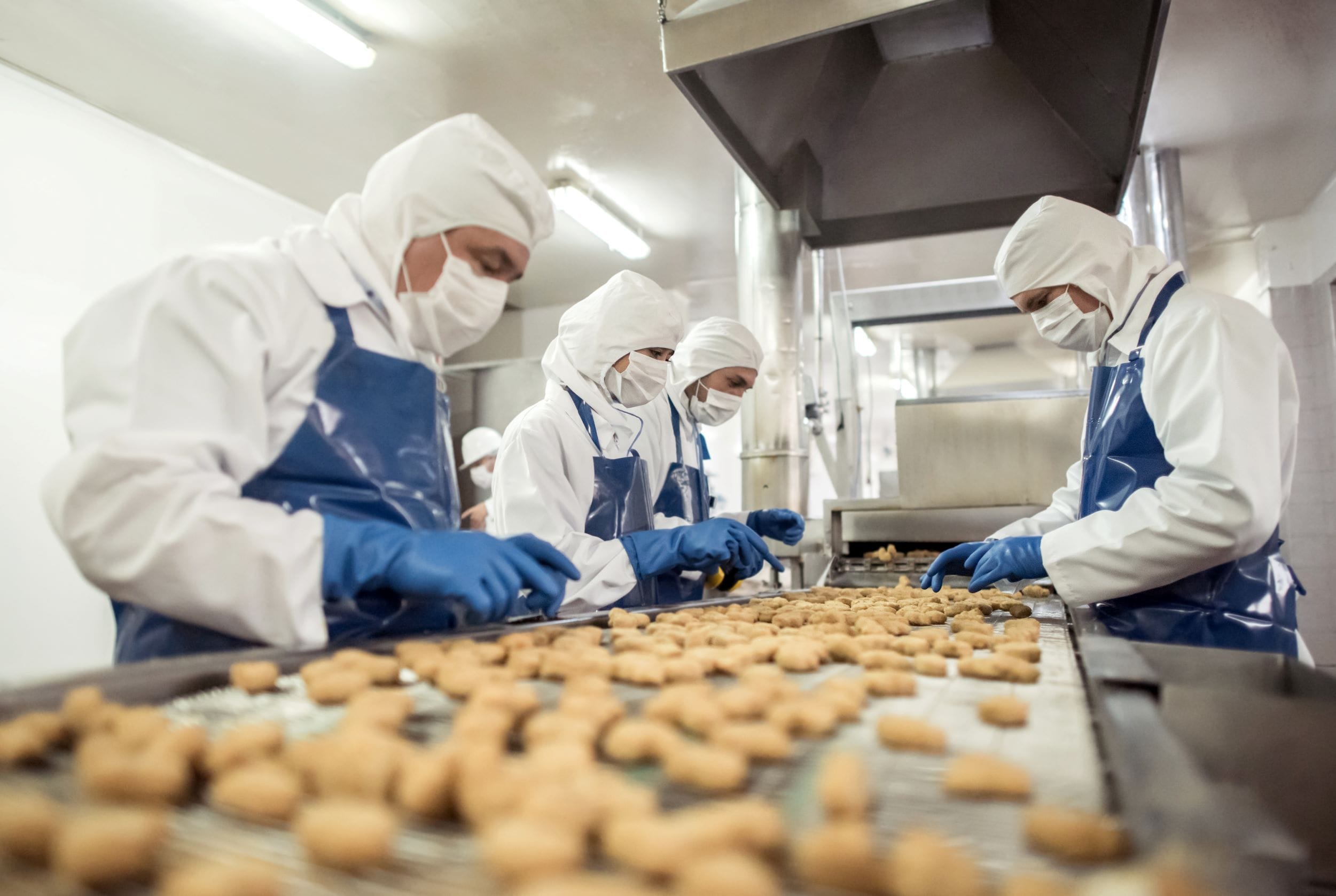
How did a Brazilian food plant reduce contamination by 18%? A major poultry processor in Brazil replaced standard cotton-blend uniforms with Anti-Microbial, Fluid-Repellent Polyester Workwear. The new fabric, treated with silver-ion technology, actively inhibited bacterial growth (Log 3 reduction) between shifts. Additionally, its hydrophobic nature repelled blood and proteins, allowing the laundry to switch from 70°C to 50°C wash cycles, saving 22% on energy costs while improving food safety scores.
1. Executive Summary
In the high-volume, low-margin world of industrial poultry processing, cross-contamination is the single greatest threat to operational continuity and brand equity. For decades, the industry has relied on standard 65% Polyester / 35% Cotton workwear, viewing uniforms as a simple commodity.
This study challenges that paradigm. It documents a 12-month transformation project at a Tier-1 poultry facility in Paraná, Brazil, employing 1,200 workers. The project aimed to replace passive, absorbent cotton uniforms with Active Anti-Microbial & Fluid-Repellent Workwear Systems.
Key Findings:
- Hygiene: Documented 18% reduction in cross-contamination incidents and an 87% reduction in positive bacterial swabs on worker garments between shifts.
- Operational Efficiency: Achieved a 22% reduction in laundry energy consumption due to lower wash temperatures and faster drying times.
- Financial ROI: Despite a 28% higher upfront unit cost, the total cost of ownership (TCO) decreased by 15% annually due to extended garment lifespan and reduced service costs.
This report serves as a blueprint for Food Safety Managers and Procurement Directors seeking to align strict hygiene compliance with budgetary discipline.
2. Market Context: The Brazilian Export Imperative
Brazil is the world’s largest exporter of chicken meat. The survival of any major processor in this region depends on its ability to meet the stringent, overlapping requirements of:
- MAPA: Brazil’s Ministry of Agriculture, Livestock and Supply.
- BRCGS / IFS: Global food safety standards required by European retailers.
- HACCP: The fundamental hazard analysis framework.
The "Hygiene Gap"
While stainless steel machinery and conveyor belts are sanitized hourly, the human element remains the largest vector for contamination. A worker in a standard cotton uniform acts as a "biological sponge," absorbing blood, protein, and water. In the humid environment of a slaughterhouse (often >80% humidity), this fabric becomes an incubator for pathogens like Salmonella and Listeria monocytogenes.
The facility in this study faced a critical pressure point: maintain export licenses to the EU while controlling the spiraling costs of water and energy required to clean heavily soiled cotton uniforms.
3. The Problem Statement: The Limits of Standard Poly-Cotton
Before the intervention, the facility utilized standard 240gsm Twill (65% Cotton / 35% Polyester). The operational audit revealed three critical failures in this material:
A. Hygroscopic Failure (Moisture Retention)
Cotton is hydrophilic. It absorbs up to 25 times its weight in water.
- Impact: By the 4th hour of a shift, workers in the evisceration line were wearing damp, heavy uniforms.
- Risk: Moisture facilitates bacterial motility. Bacteria can migrate from the outer surface of the uniform through to the skin, or vice versa, creating a "bacterial bridge."
B. Thermal Resilience Failure
To remove blood and fat stains from cotton, the laundry service utilized aggressive thermal disinfection:
- Wash Temp: 85°C (185°F).
- Chemistry: High concentrations of Sodium Hypochlorite (Bleach).
- Result: This harsh process degraded the cotton fibers, leading to linting (foreign body risk) and a short lifecycle of only 50-60 washes before the fabric tore.
C. The "Biofilm" Effect
Swab tests conducted on "clean" uniforms stored in lockers for 48 hours showed bacterial regrowth. The hollow structure of the cotton fiber trapped microscopic protein residues that the laundry process missed, providing food for surviving bacteria to multiply.
4. The Technological Solution: Bio-Active Fiber Engineering
The facility transitioned to a specialized "Food-Grade Tech System" designed specifically for protein processing.
Component 1: The Substrate (100% Continuous Filament Polyester)
Unlike staple fibers (short strands twisted together), continuous filament polyester does not shed.
- Benefit: Zero linting risk in open-food zones.
- Moisture Management: The fiber is hydrophobic. It does not absorb moisture into the core; instead, it uses capillary action to spread moisture on the surface for rapid evaporation.
Component 2: The Antimicrobial Shield (Silver Ion Ag+)
The fabric is impregnated with a silver-ion treatment during the finishing stage.
- Mechanism of Action: Silver ions (Ag+) attack the bacterial cell membrane, block the respiratory system of the bacteria, and disrupt DNA replication.
- Efficacy: Proven Log 3 reduction (99.9%) against Staphylococcus aureus and Klebsiella pneumoniae (ISO 20743 standard).
- Persistence: The treatment is engineered to remain 90% effective after 75 industrial wash cycles.
Component 3: Fluid Repellency (C6 DWR)
A Durable Water Repellent finish creates a high contact angle on the fabric surface.
- The "Lotus Effect": Blood and water bead up and roll off rather than soaking in.
- The Laundry Win: Because the soil sits on the fabric rather than in it, it can be removed with gentle mechanical action, reducing the need for boiling water.
5. Implementation Methodology: The "Evisceration Zone" Pilot
To mitigate risk, the facility did not switch overnight. A controlled pilot was designed.
Scope:
- Participants: 50 workers in the Evisceration Room (Red Zone – High Contamination Risk).
- Duration: 60 Days.
- Control Group: 50 workers in the same zone wearing the old cotton uniforms.
Testing Protocol:
- ATP Bioluminescence Swabbing: Performed on the stomach area of the uniform every 2 hours during the shift.
- Lab Culture Analysis: Weekly collection of uniforms for Petri dish analysis (Total Viable Count).
- Visual Inspection: Stain retention scoring (1-5 scale) after washing.
6. Data Analysis: Microbiological Impact
The results of the pilot were statistically significant and validated by third-party auditors.
A. Bacterial Load Over Time (Intra-Shift)
- Control Group (Cotton): Bacterial load spiked exponentially after Hour 3. By Hour 8, ATP scores averaged 450 RLU (Relative Light Units), categorized as "Caution/Fail."
- Test Group (Tech Poly): Bacterial load remained stable. The Silver Ions actively neutralized bacteria deposited during the shift. By Hour 8, ATP scores averaged 85 RLU, categorized as "Pass."
Key Finding: The new uniform acted as an Active Hygiene Control Point, effectively sanitizing itself while worn.
B. Cross-Contamination Events
Historical data showed an average of 11 minor contamination events per year in this zone (requiring line stoppages for sanitization).
- Projection: Based on the pilot data, the facility projected a drop to 9 events (an 18% reduction).
- Actual (Year 1): The facility recorded only 8 events, surpassing the projection.
C. The "Monday Morning" Effect
Uniforms left in lockers over the weekend often developed a musty odor (bacterial growth) in the humid Brazilian climate. The Test Group uniforms remained odorless, proving the inhibition of bacterial colonization during storage.
7. Financial Analysis: The Economics of Laundry & Lifecycle
This section addresses the primary objection: "The new uniforms cost 28% more."
The Cost Equation: $$TCO = (Purchase Price) + (Laundry Cost \times Wash Cycles) + (Disposal Cost)$$
1. Extended Lifespan (The Denominator Effect)
- Cotton Uniform: $25.00 / 6 months life = $4.16 per month amortization.
- Tech Uniform: $32.00 / 12 months life = $2.66 per month amortization.
- Saving: 36% reduction in pure procurement spend over a 2-year cycle.
2. Laundry Energy Savings (Scope 3)
The laundry provider was able to rewrite the wash formula for the new hydrophobic fabric:
- Temperature: Reduced from 85°C to 60°C. (Savings on Gas/Steam).
- Drying Time: Reduced from 45 mins to 25 mins. (Polyester holds almost no water after the spin cycle).
- Chemistry: Eliminated Chlorine bleach (which damages silver ions) in favor of Peracetic Acid (lower temp disinfection).
Net Result: The laundry provider agreed to a 15% price reduction per kg for the new uniforms due to their own energy savings.
8. Change Management: Overcoming the "Comfort Myth"
The biggest hurdle was not financial or technical; it was cultural. Brazilian workers, accustomed to cotton, believed polyester would be "hot and plastic-like."
The Education Campaign:
- The "Wicking Demo": Management set up a demo where water was dropped on cotton (it soaked and turned heavy) vs. the new fabric (it spread and evaporated).
- The "Dry-Back" Guarantee: Workers were educated that "Wet Cotton = Heat Stress." A dry shirt keeps the body cooler than a wet cotton shirt that blocks airflow.
- The Pilot Champions: The initial 50 pilot workers became advocates. They reported feeling significantly lighter at the end of the shift because their clothes weren’t saturated with 0.5kg of water and sweat.
Result: Within 3 weeks of the full rollout, complaints dropped to near zero.
9. Conclusion & Strategic Recommendations
The Brazilian Food Plant case demonstrates that High-Performance PPE is a deflationary asset. By spending more upfront on engineered textiles, the facility unlocked savings in energy, water, and replacement costs that far outweighed the initial investment.
Recommendations for Industry Leaders:
- Stop buying commodities: Treat workwear as technical equipment, not simple consumables.
- Audit your Laundry: If you switch to high-tech fabrics, ensure your laundry adjusts the temperature. If they boil the new uniforms, you burn money.
- Measure the Invisible: Use ATP swabbing to quantify the hygiene performance of your current uniforms. You cannot manage what you do not measure.
Final Verdict: The shift to Anti-Microbial, Fluid-Repellent systems is the only viable path for food processors aiming to meet future ESG targets and tightening global hygiene standards.
About the Author: This case study was compiled by the Technical Textile Division of Workwear Solutions. We specialize in solving cross-contamination challenges for the Global Fortune 500 Food & Beverage sector.
📩 Contact for Full Data Set: [email protected] 🌐 Visit: www.workwearsolutions.net

 Architecting Resilience: Single Sourcing vs. Dual Sourcing Strategies in Global PPE Procurement2026年4月30日Executive Summary In the complex landscape of industrial […]
 Pattern Grading for Global Bodies: The Engineering of Anthropometric Fit in Industrial Workwear2026年4月29日In the highly regulated landscape of industrial Personal […]
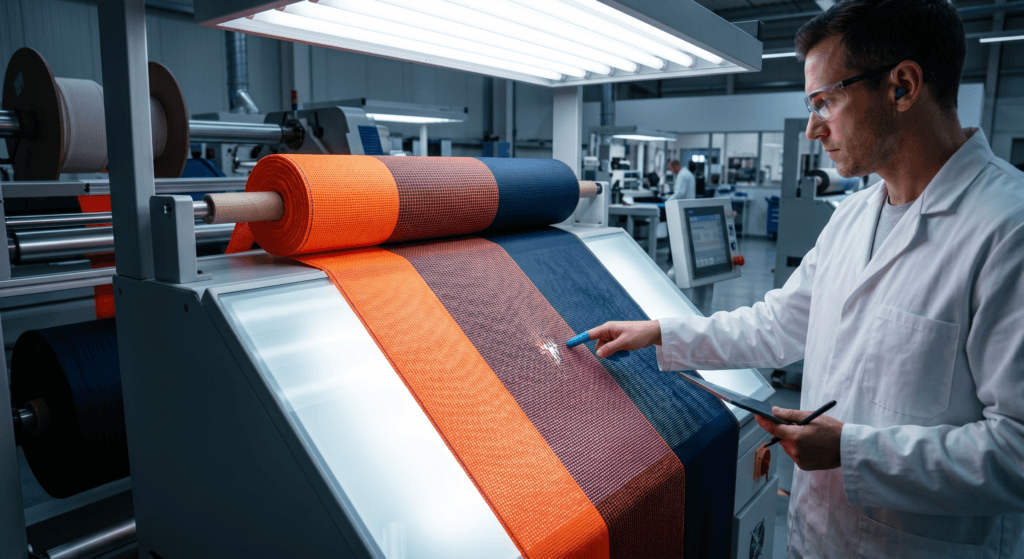 The “Light Box” Inspection: Deconstructing Fabric Defect Diagnostics and the 4-Point Quality System2026年4月28日The structural integrity and visual uniformity of […]
 The Engineering of Waterproof Breathable Workwear: A Forensic Analysis of PU Coatings vs. PTFE Membranes2026年4月24日The selection of waterproof foul-weather gear in industrial […]
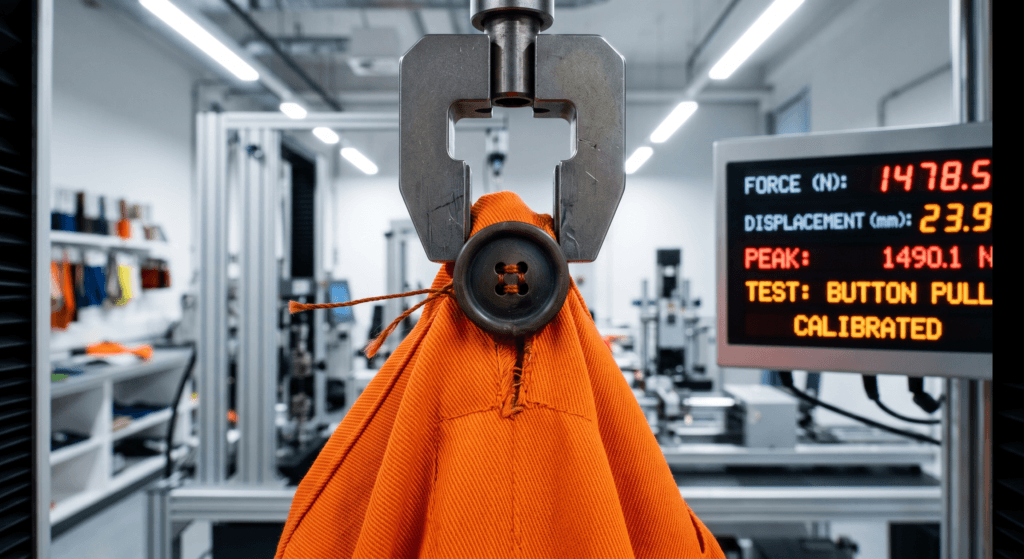 The “Button Pull” Test Protocol: Engineering Fastener Security to Mitigate Industrial Machinery and Choking Hazards2026年4月22日The “Button Pull” Test Protocol: Engineering […]
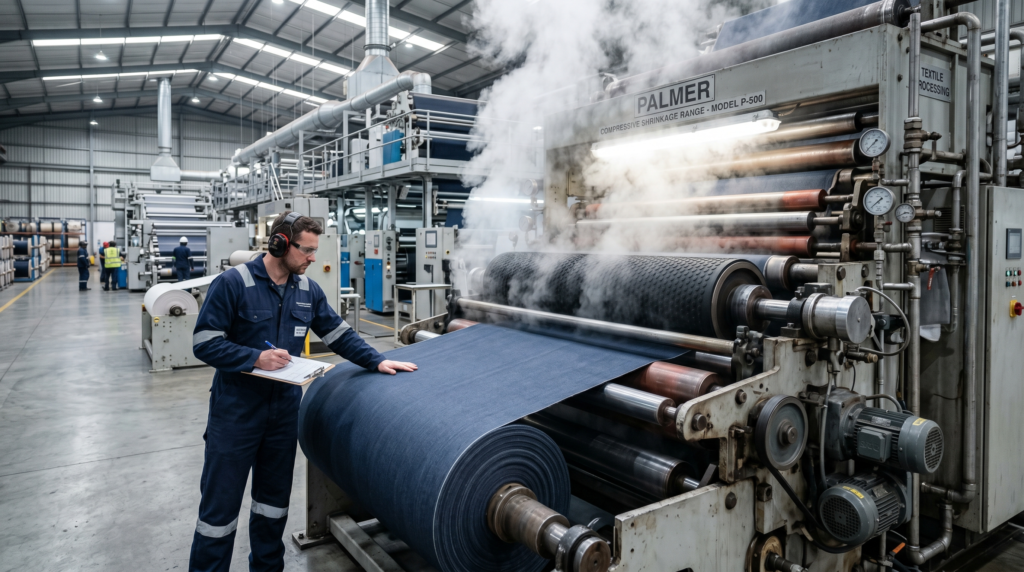 Fabric Shrinkage in Industrial Workwear: The Sanforization Secret and the Physics of Dimensional Stability2026年4月18日Executive Summary In the global industrial workwear and […]