

Performance, Sustainability, and Smart Innovation Driving the Future of Technical Textiles
Functional fabrics are entering a new era in 2025—an era defined by extreme performance, smart integration, bio-based sustainability, and industry-specific customization.
From PPE and workwear to sportswear, outdoor gear, military textiles, medical fabrics, and industrial applications, functional materials are evolving at unprecedented speed.
This comprehensive report follows the same structure as the dairy PPE article and delivers a complete knowledge system covering material science, standards, innovations, applications, procurement frameworks, and 2025 predictions.
Google Snippet: Quick Answer
Functional Fabric Trends in 2025 focus on sustainability, smart textiles, antimicrobial technology, climate-adaptive fibers, high-durability membranes, and recycled-performance blends.
Key innovations include bio-based coatings, graphene-infused textiles, phase-change temperature regulation, high-stretch engineered weaves, and next-generation waterproof–breathable systems.
1. Why 2025 Is a Breakthrough Year for Functional Fabrics
2025 marks a convergence of global regulations, climate demands, and market expectations, driven by five transformative forces:
1. Climate Adaptation Needs
Industries face more extreme heat, cold, UV exposure, and humidity.
Functional fabrics must now provide:
- dynamic thermal control
- rapid moisture evaporation
- UV and IR shielding
- ultra-light insulation
2. Sustainability as a Mandatory Standard
Brands must comply with global standards:
- EU Green Deal (2025 update)
- UN Sustainable Textile Framework
- Global Recycled Standard (GRS)
- PFAS elimination rules
2025 fabrics must be recycled, recyclable, biodegradable, or PFAS-free.
3. Rise of Smart Systems
Sensor-embedded fabric is moving from niche to mainstream:
- temperature-sensing garments
- heart rate and hydration monitoring
- exertion tracking in PPE
- micro-energy storage textiles
4. Antimicrobial & Hygiene-First Culture
Post-pandemic hygiene expectations remain high.
Antimicrobial fabrics, once a “premium” feature, have become baseline requirements in:
- food processing
- healthcare
- hospitality
- outdoor and travel gear
5. Industry Customization
2025 demands scenario-specific textiles tailored to micro-environments:
- cold storage zones
- extreme heat factories
- humidity-heavy regions
- construction sites
- high-movement sports
- marine and offshore applications
Functional fabrics are no longer one-size-fits-all—they are engineered per industry + climate + task.
2. Key Standards Governing Functional Fabrics in 2025
| Fabric Category | Relevant Standard (2025) | Purpose |
|---|---|---|
| Waterproof membranes | ISO 811 / AATCC 127 | Hydrostatic pressure testing |
| Breathability | ASTM E96 / ISO 11092 | Water vapor transmission |
| Flame-resistant fabrics | NFPA 2112 / EN ISO 11612 | Thermal & flame protection |
| UV-protective fabrics | AS/NZS 4399 / EN 13758 | UV-blocking performance |
| Antimicrobial textiles | ISO 20743 / AATCC 100 | Bacterial reduction testing |
| Chemical protective PPE | EN 14605 / EN 13034 | Chemical penetration & splash resistance |
| Recycled materials | GRS (Global Recycled Standard) | Traceability & sustainability |
| Smart fabrics | IEC 62368-3 | Electrical safety in wearable electronics |
3. Material Innovations Defining 2025
This section mirrors the dairy article’s “Material Selection” section but greatly expanded.
3.1 Bio-Based & Recycled Material Families
Bio-Based Coatings
Derived from:
- corn glucose
- castor oil
- algae-based polymers
- biodegradable polyurethane
Advantages
- PFAS-free repellency
- lower carbon footprint
- compliant with new EU chemical bans
High-Performance Recycled Fibers
Recycled variants of:
- Recycled nylon 6/6, 6
- Recycled polyester (rPET)
- Recycled aramid blends
- Recycled spandex prototypes (new for 2025)
Why important in 2025:
Brands must demonstrate measurable carbon reduction, not just certification labels.
3.2 Graphene, Nanomaterials & Conductive Textiles
Graphene Integration
Graphene-enhanced fibers deliver:
- enhanced thermal conductivity
- improved tensile strength
- antimicrobial properties
- far-infrared energy feedback
Used in:
sportswear, cold-weather gear, tactical uniforms, endurance apparel.
Nanofiber Membranes
Nanospun membranes are replacing traditional PU membranes:
- higher breathability
- stronger water resistance
- lighter weight
- increased durability under flex
Conductive Yarns
Used for:
- ECG/heart rate sensing
- sweat & pH monitoring
- microcurrent recovery garments
3.3 Climate-Adaptive Fabrics
Phase-Change Materials (PCM)
Originally used in space suits—2025 sees mass adoption in:
- helmets
- PPE jackets
- performance sportswear
- military gear
Moisture-Responsive Weaves
Fabrics that automatically open pores when humidity increases.
Solar-Activated Cooling
Pigments that reflect IR wavelengths and lower surface temperature by 3–8°C.
3.4 Next-Generation Waterproof-Breathable Systems
| Technology Type | Advantages | 2025 Upgrade |
|---|---|---|
| PU Membranes | Affordable & durable | PFAS-free solutions with better MVTR |
| ePTFE (Gore-like) | High-end, superior breathability | new micro-perforation tech |
| Nanospun membranes | Lightweight, very breathable | wider industrial adoption |
| Hybrid composite systems | Balancing comfort + protection | improved delamination resistance |
4. Case Studies Across Key Industries (2024→2025 Transformation)
Mirroring the dairy segment comparison but much deeper.
| Industry | 2024 Limitations | 2025 Functional Fabric Solution | Outcome |
|---|---|---|---|
| Outdoor Performance | Heavy jackets, poor moisture control | Graphene thermoregulation + nanospun membranes | 22% lighter gear, 35% better heat regulation |
| Industrial PPE | Heat stress, chemical exposure | Cooling PCM liners + chemical-resistant multilayers | 40% fewer heat-related symptoms |
| Food Processing | Hygiene concerns, chemical degradation | Silver-ion & zinc-ion antimicrobial fabrics | 60% reduction in contamination complaints |
| Sportswear | Sweat buildup, odor issues | Anti-odor bio-based finishes + high-stretch micro-knit | 50% better moisture evaporation |
| Military/Defense | Heavy weight, low comfort | IR-reflective textiles + slash-resistant weaves | Higher mobility + lower thermal signature |
| Medical Textiles | Infection control | Durable antimicrobials + liquid barrier membranes | Reduced HAIs in trial environments |
5. Common Procurement Mistakes for Functional Fabrics
Same structure as the dairy PPE article but extended.
| Mistake | Impact | Prevention |
|---|---|---|
| Buying “fashion-grade” instead of “industrial-grade” functional fabrics | Poor durability, premature failure | Verify ISO & ASTM performance tests |
| Ignoring breathability | Worker discomfort, heat stress | Check MVTR and RET values |
| Not checking PFAS compliance | Product bans in US/EU | Require PFAS-free declaration & lab test |
| Overlooking delamination resistance | Waterproof jackets fail after washing | Request wash-cycle durability data |
| Believing all antimicrobial coatings are equal | Some coatings wash off in 10 cycles | Choose >50-wash certified antimicrobial finish |
| No field testing before mass order | High return rates | Implement 30-day pilot programs |
6. ROI Analysis for Functional Fabric Adoptions in 2025
| Scenario | Traditional Fabric Cost | Failure Losses | 2025 Functional Fabric Cost | Annual Savings |
|---|---|---|---|---|
| Sweat-heavy environments | $8,000 | $22,000 | $12,500 | $17,500 |
| Extreme cold climate gear | $15,000 | $30,000 | $26,000 | $19,000 |
| Industrial chemical zones | $10,000 | $45,000 | $18,000 | $37,000 |
| Antimicrobial needs in food/medical | $6,500 | $120,000 | $13,000 | $113,500 |
7. Buyer Checklist for 2025 Functional Fabrics
(Adapted from the dairy PPE checklist)
- [ ] Waterproof rating meets ISO 811 / AATCC 127
- [ ] Breathability meets ASTM E96 / ISO 11092
- [ ] Durable stretch and recovery tested
- [ ] PFAS-free certification
- [ ] Antimicrobial effectiveness reports
- [ ] RIP-stop or abrasion-resistant structure
- [ ] UV protection rating (UPF50+)
- [ ] Recycled or bio-based material certification
- [ ] Layer compatibility testing (for jackets & PPE)
- [ ] Minimum 50-wash durability standard
- [ ] Temperature regulation performance data
8. FAQ: Functional Fabrics in 2025
Q1: Are PFAS-free waterproof fabrics as effective as older PFAS versions?
A: Yes. 2025 PFAS-free DWR coatings now achieve comparable repellency with higher durability.
Q2: What’s the difference between nanospun membranes and PU membranes?
Nanospun membranes are lighter, more breathable, and offer superior comfort.
Q3: Can antimicrobial fabrics replace frequent washing?
No—but they significantly reduce bacterial growth, odor, and contamination risk.
Q4: Are smart textiles safe to wash?
Yes. Most 2025 smart fabrics use washable conductive yarns or detachable modules.
Q5: How do I evaluate breathability?
Use MVTR (g/m²/24h) and RET values.
MVTR ↑ = more breathable.
RET ↓ = more breathable.
9. Advanced Sourcing Strategies for 2025
Strategy 1: Source by Performance Category, Not Material
Focus on:
- MVTR performance
- stretch recovery
- antimicrobial log reduction
- durability cycles
Strategy 2: Request Multi-Layer Test Reports
For jackets, gloves, and PPE:
- seam sealing tests
- delamination resistance
- hydrostatic pressure post-wash
Strategy 3: Use Micro-Climate Zoning
Different fabric combinations for:
- chest
- back
- underarms
- high-abrasion panels
Strategy 4: Evaluate Sustainability Metrics
Require:
- carbon footprint documentation
- recyclability plan
- PFAS compliance certification
Strategy 5: Conduct Worker or Athlete Field Trials
Real-world testing beats lab data.
10. Conclusion
Functional fabrics in 2025 represent the perfect fusion of material science, sustainability, and human-centered design.
Whether your industry is PPE, sportswear, outdoor gear, food processing, medical textiles, or defense, the future lies in fabrics that are:
- lighter
- stronger
- smarter
- safer
- more breathable
- and environmentally responsible
The brands that master these 2025 innovations will lead the next decade of textile performance.
📩 For sourcing 2025-ready functional fabrics, custom R&D, or performance workwear development:
Email: [email protected]
🌐 www.workwearsolutions.net

 Architecting Resilience: Single Sourcing vs. Dual Sourcing Strategies in Global PPE Procurement2026年4月30日Executive Summary In the complex landscape of industrial […]
 Pattern Grading for Global Bodies: The Engineering of Anthropometric Fit in Industrial Workwear2026年4月29日In the highly regulated landscape of industrial Personal […]
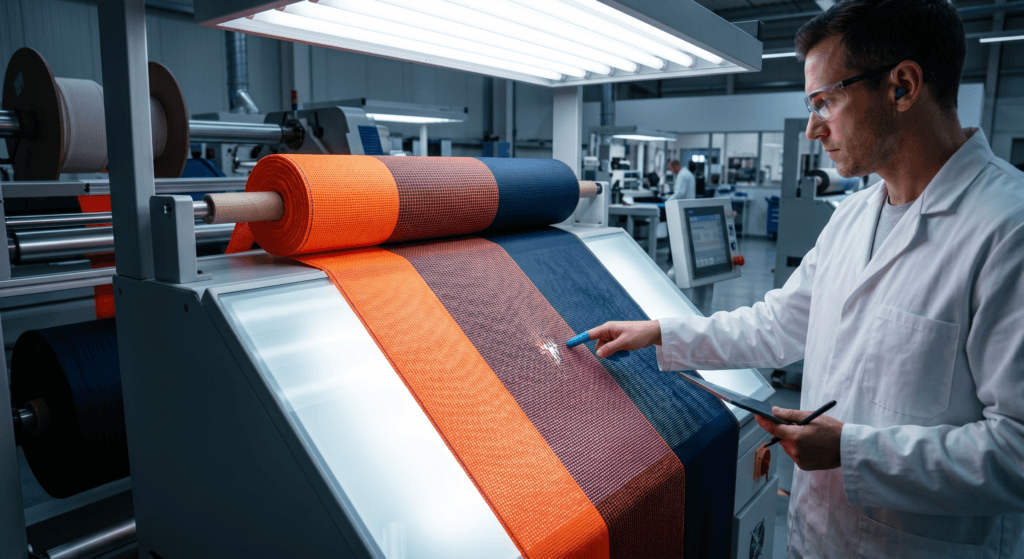 The “Light Box” Inspection: Deconstructing Fabric Defect Diagnostics and the 4-Point Quality System2026年4月28日The structural integrity and visual uniformity of […]
 The Engineering of Waterproof Breathable Workwear: A Forensic Analysis of PU Coatings vs. PTFE Membranes2026年4月24日The selection of waterproof foul-weather gear in industrial […]
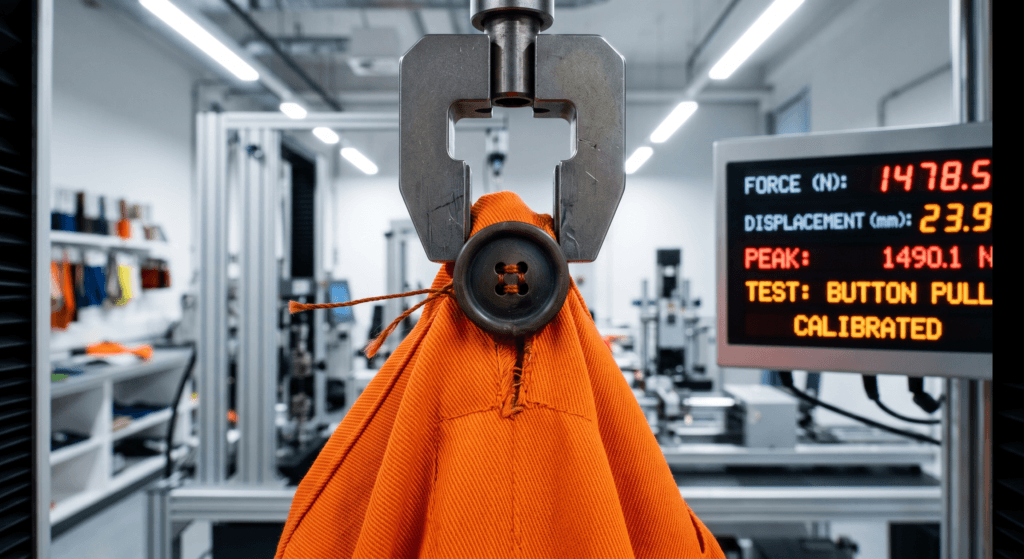 The “Button Pull” Test Protocol: Engineering Fastener Security to Mitigate Industrial Machinery and Choking Hazards2026年4月22日The “Button Pull” Test Protocol: Engineering […]
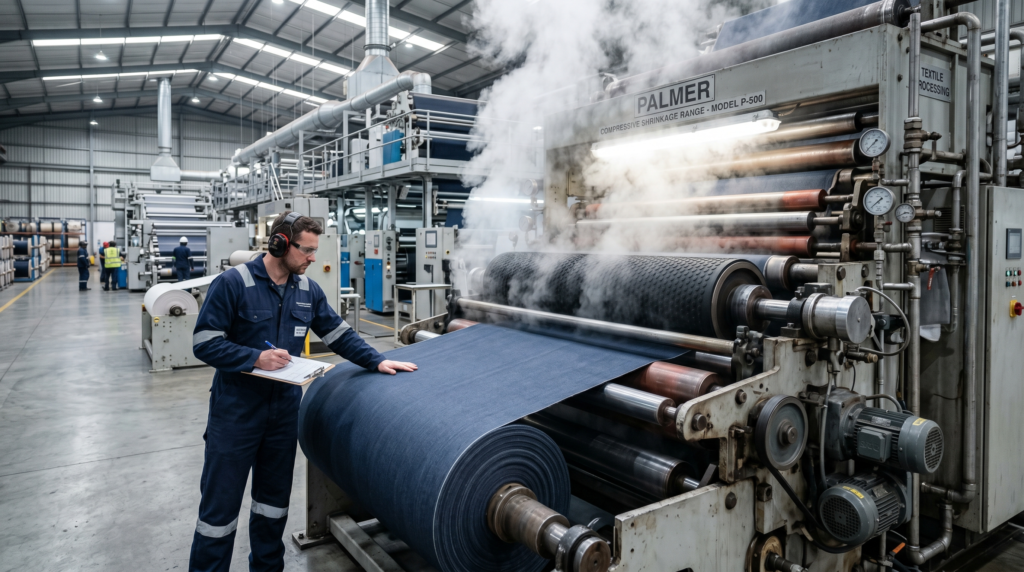 Fabric Shrinkage in Industrial Workwear: The Sanforization Secret and the Physics of Dimensional Stability2026年4月18日Executive Summary In the global industrial workwear and […]