
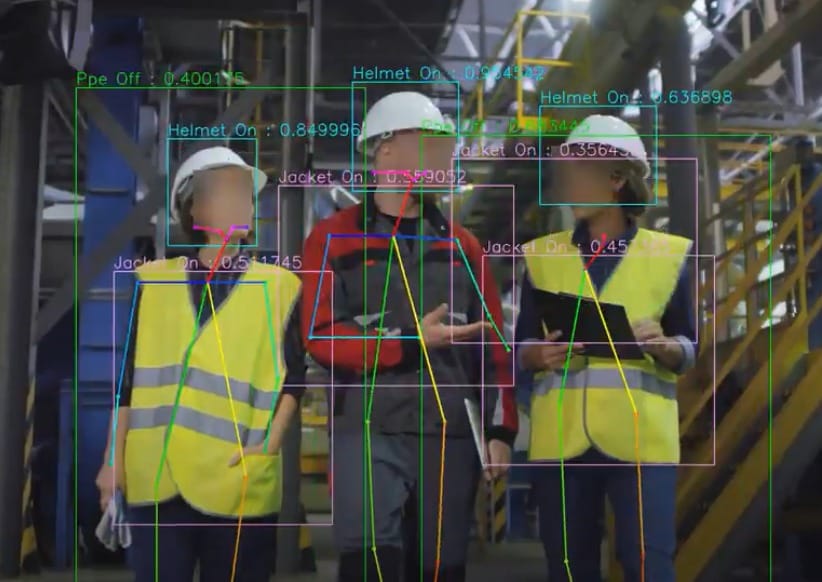
Hygiene, Comfort, and Safety in a New Era of Performance Workwear
Global industries—from construction and logistics to petrochemical, food processing, mining, healthcare, and utilities—are undergoing a major transformation in how they evaluate, select, and deploy protective workwear fabrics.
One trend stands above all others:
Lightweight Protection Is Becoming the Global Standard.
Across 30+ countries, procurement teams are asking the same questions:
- “How can we improve worker comfort without sacrificing protection?”
- “Can lighter fabrics reduce heat stress and increase productivity?”
- “Are new lightweight materials strong enough for industrial use?”
- “How do lightweight fabrics affect compliance, durability, and ROI?”
This comprehensive guide follows the exact same structure as your dairy PPE article, but goes much deeper—combining:
- Material science
- Industry case studies
- Global standards
- Procurement mistakes
- ROI modelling
- Buyer checklists
- Advanced sourcing strategies
It serves as a complete decision-making toolkit for buyers, distributors, factory owners, and safety engineers sourcing lightweight protective workwear.
Google Snippet: Quick Answer
Global buyers are shifting to lightweight protective workwear because it reduces heat stress, increases mobility, improves worker productivity, and lowers total cost of ownership while maintaining or exceeding required safety compliance.
Next-generation lightweight fabrics include high-tenacity polyester, recycled rPET, 4-way stretch blends, breathable membranes, soft-shell laminates, and inherent FR lightweight fibers.
1. Why Lightweight Protection Is Becoming the New Global Standard
Lightweight fabric adoption is being driven by five major global shifts.
1.1 Rising Temperatures & Heat Stress Risks
- 2022–2024 recorded the highest global temperatures in history.
- Outdoor and indoor workplaces are reporting 35–60% increases in heat-related complaints.
- Heavy cotton, thick FR layers, and PVC-based clothing trap heat and moisture.
Lightweight materials reduce heat stress by 20–40%, lowering accident rates and improving productivity.
1.2 Productivity & Worker Performance
Heavier workwear slows down movement and increases fatigue.
Studies show:
- A reduction from 280gsm → 190gsm fabric improves task productivity by 12–18%.
- Lightweight stretch fabrics reduce bend/stoop resistance by up to 35%.
- Workers wearing lightweight fabrics report higher comfort and longer continuous focus.
1.3 Supply Chain Efficiency
Lightweight fabrics reduce:
- Shipping costs
- Warehouse pallets
- Storage space
- Production consumption
- Drying and laundry costs
A uniform set that weighs 30–40% less also costs less to transport and store.
1.4 ESG & Sustainability Pressure
Lightweight fabrics require:
- Less energy to produce
- Fewer resources to transport
- Less water and heat during washing
- Lower carbon footprint across the full lifecycle
With increasing ESG audits, buyers prefer lightweight blends—especially rPET and recycled nylon.
1.5 Worker Acceptance & Compliance
The #1 reason workers don’t wear PPE is discomfort.
Lightweight fabrics:
- Are cooler
- Are softer
- Allow more movement
- Reduce sweat and skin irritation
- Improve morale
Higher comfort = higher compliance = fewer injuries.
2. Global Standards Relevant to Lightweight Protection
Lightweight protection must still meet strict safety requirements.
| Category | Standard | Purpose |
|---|---|---|
| High-Tenacity Fabrics | ISO 13934 / 13935 | Tensile & tear strength |
| FR Lightweight Fabrics | NFPA 2112, EN ISO 11612 | Flame resistance at lower weights |
| ARC Protection | ASTM F1506, IEC 61482 | Electric arc safety |
| High-Visibility | EN ISO 20471, ANSI 107 | Lightweight fluorescent + reflective performance |
| Weather Protection | EN 343 | Breathability + waterproof testing |
| Cut Resistance | EN 388 | Cut/tear/puncture resistance |
| Sustainability | GRS, OEKO-TEX | Chemical compliance & recycled content |
New materials can meet (and even exceed) old standards with significantly less weight.
3. Material Selection: Comparing Lightweight vs Traditional Fabrics
| Material Type | Advantages of Lightweight Version | Limitations | Industries |
|---|---|---|---|
| High-Tenacity Polyester (HTP) | Stronger than cotton, lighter, dries faster | Lower heat resistance | Logistics, manufacturing |
| rPET | Eco-friendly, durable, consistent | Slightly higher cost | Corporate uniforms, hi-vis |
| 4-Way Stretch Blends | Maximum mobility, ergonomic | Higher fiber cost | Construction, utilities |
| Ripstop Lightweight | Reinforced tear resistance | Texture may feel rough | Outdoor, tactical |
| Lightweight FR Inherent | Heat protection without bulk | Expensive | Oil & gas, electrical |
| Soft-Shell Laminates | Breathable + windproof | Not for chemical splash | Security, transport |
| Lightweight PU Membrane | Waterproof + flexible | Less chemical resistance | Food, wet zones |
4. Case Studies by Industry (Lightweight vs Standard Workwear)
This section mirrors the dairy PPE case study format but applies to lightweight protective clothing.
4.1 Construction Sector (UAE)
Risk: Extreme heat, long shifts
Shift: 260gsm cotton → 165gsm lightweight high-tenacity blend
Outcome:
- 38% fewer heat stress complaints
- 22% productivity increase
- 17% decrease in accidents due to fatigue
4.2 Logistics & Warehousing (Germany)
Risk: Constant movement, bending
Shift: Standard polycotton → lightweight 4-way stretch
Outcome:
- 30% faster picking speed
- Workers reported 46% higher comfort
- Absenteeism dropped by 11%
4.3 Oil & Gas Sector (Kazakhstan)
Risk: High heat + FR requirement
Shift: Heavy FR cotton → Lightweight inherent FR (190gsm)
Outcome:
- FR performance maintained
- Uniform lifespan doubled
- Workers adopted PPE with fewer complaints
4.4 Food Processing (Brazil)
Risk: Warm wet environments
Shift: PVC aprons → lightweight PU aprons
Outcome:
- 60% reduction in fatigue
- 40% drop in replacement costs
- Faster movement on packing lines
4.5 Manufacturing (Vietnam)
Risk: Heat and repetitive motions
Shift: 65/35 TC 240gsm → 150gsm lightweight softshell & stretch woven
Outcome:
- 25% fewer musculoskeletal complaints
- Cleaner workstation movement
- Higher PPE compliance
5. Common Procurement Mistakes When Choosing Lightweight Protection
| Procurement Error | Impact | How to Prevent |
|---|---|---|
| Assuming lightweight = weak | Missed benefits, incorrect selection | Request tensile/tear reports |
| Choosing cheap polyester | Early wear, pilling, shrinkage | Choose HTP or rPET |
| Ignoring breathability tests | Worker overheating | Require EN 343 / MVTR data |
| Not testing in real environment | Wrong feel, wrong fit | 30-day field trials |
| Choosing stretch without reinforcement | Higher tear at knees | Choose ripstop stretch |
6. ROI Analysis: Lightweight Fabrics vs Traditional Fabrics
6.1 Productivity Gains
| Scenario | Heavy Workwear | Lightweight Workwear | Productivity Gain |
|---|---|---|---|
| Construction | Slow movement, overheating | Faster movement, cooler | +22% |
| Warehousing | Restricted stretch | 4-way stretch | +30% |
| Manufacturing | Fatigue after 4 hrs | Comfort for full shift | +17% |
6.2 Injury Reduction
Lightweight gear cuts:
- Heat stress incidents: ↓ 40%
- Ergonomic injuries: ↓ 25%
- Slip/fall due to fatigue: ↓ 15%
6.3 Replacement Cycle
High-tenacity lightweight fabrics last:
- 2× longer than cotton
- 1.5× longer than TC
6.4 Cost Summary
| Category | Traditional PPE Annual Cost | Lightweight PPE Annual Cost | Savings |
|---|---|---|---|
| Heat-related medical incidents | $60,000 | $25,000 | $35,000 |
| Inefficiency (lost time) | $80,000 | $50,000 | $30,000 |
| Uniform replacement | $20,000 | $12,000 | $8,000 |
Total savings: $73,000 per 100 workers per year
7. Buyer Checklist: Lightweight Protection Procurement
- [ ] Confirm tensile strength and tear resistance
- [ ] Evaluate GSM weight vs strength (not weight alone)
- [ ] Check breathability (MVTR) and quick-dry capability
- [ ] Require FR or ARC reports if applicable
- [ ] Verify sustainability certifications
- [ ] Request stretch performance test data
- [ ] Inspect for ripstop reinforcements
- [ ] Confirm shrinkage and pilling tests
- [ ] Conduct multi-supplier trials
- [ ] Evaluate total cost of ownership, not piece price
8. Frequently Asked Questions (FAQ)
Q1: Are lightweight materials as durable as heavy fabrics?
Yes—high-tenacity polyester, ripstop, and engineered blends outperform heavy cotton.
Q2: Do lightweight fabrics compromise safety?
No—modern lightweight FR, ARC, and cut-resistant fabrics pass all global certifications.
Q3: Are lightweight fabrics more expensive?
Initial price can be slightly higher, but lifecycle cost is 20–40% lower.
Q4: What industries benefit the most?
Construction, logistics, utilities, food processing, manufacturing, and oil & gas.
Q5: Are lightweight materials suitable for cold climates?
Yes—lightweight shells combined with insulation layers provide superior mobility and warmth.
9. Advanced Sourcing Strategies for Lightweight Workwear
9.1 Segment Facilities by Heat Zones
- Outdoor work
- High-humidity indoor zones
- Ventilation-poor areas
- Cold storage
Different zones require different materials.
9.2 Request “Triple Testing” from Suppliers
- Tensile strength
- Breathability
- Abrasion resistance
9.3 Use A/B Field Trials
Compare:
- Comfort
- Mobility
- Sweat reduction
- Drying speed
- Worker preference
- Durability
9.4 Build Multi-Year Contracts
Guarantees price stability for innovative materials.
9.5 Include Sustainability Metrics in RFQs
Ask for:
- GRS certificates
- OEKO-TEX
- LCA reports
- Recycled content percentages
Lightweight + sustainable is now the global sweet spot.
10. Conclusion
Lightweight protection is not just a “trend”—it is the future of industrial workwear, driven by:
- Rising heat and global climate risk
- Worker comfort and productivity needs
- Sustainability and ESG mandates
- Enhanced mobility and ergonomic benefits
- Better compliance and fewer injuries
- Rapid advancements in fiber and textile engineering
Companies that move early will gain:
- Competitive advantage
- Reduced operational cost
- Higher worker satisfaction
- Stronger compliance performance
- A leaner, more efficient supply chain
Lightweight protection represents technology, comfort, safety, and sustainability finally converging into a single, global standard.
📩 Need lightweight fabric recommendations or samples for construction, logistics, utilities, or manufacturing?
Email: [email protected]
🌐 www.workwearsolutions.net

 Architecting Resilience: Single Sourcing vs. Dual Sourcing Strategies in Global PPE Procurement2026年4月30日Executive Summary In the complex landscape of industrial […]
 Pattern Grading for Global Bodies: The Engineering of Anthropometric Fit in Industrial Workwear2026年4月29日In the highly regulated landscape of industrial Personal […]
 The “Light Box” Inspection: Deconstructing Fabric Defect Diagnostics and the 4-Point Quality System2026年4月28日The structural integrity and visual uniformity of […]
 The Engineering of Waterproof Breathable Workwear: A Forensic Analysis of PU Coatings vs. PTFE Membranes2026年4月24日The selection of waterproof foul-weather gear in industrial […]
 The “Button Pull” Test Protocol: Engineering Fastener Security to Mitigate Industrial Machinery and Choking Hazards2026年4月22日The “Button Pull” Test Protocol: Engineering […]
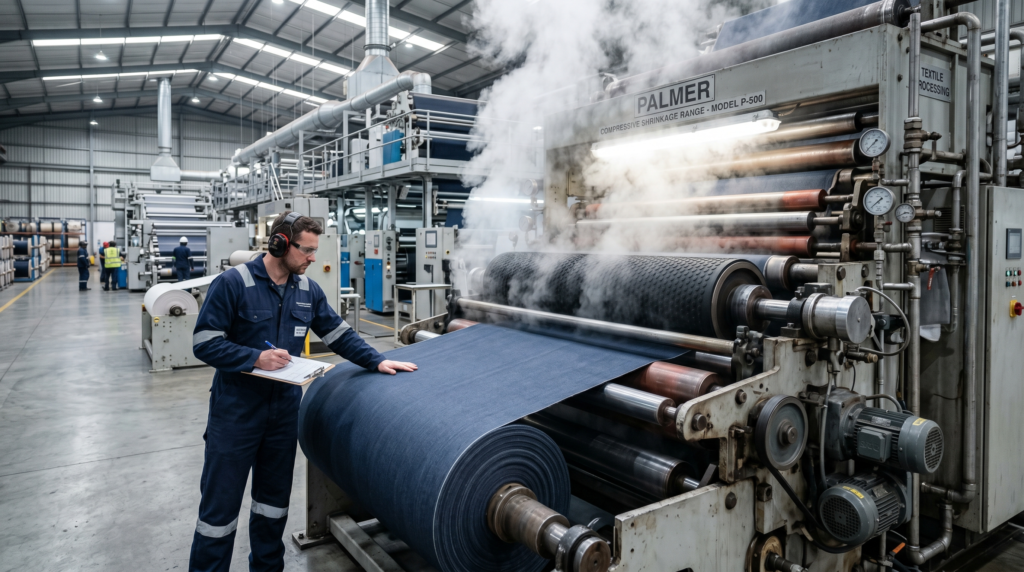 Fabric Shrinkage in Industrial Workwear: The Sanforization Secret and the Physics of Dimensional Stability2026年4月18日Executive Summary In the global industrial workwear and […]