
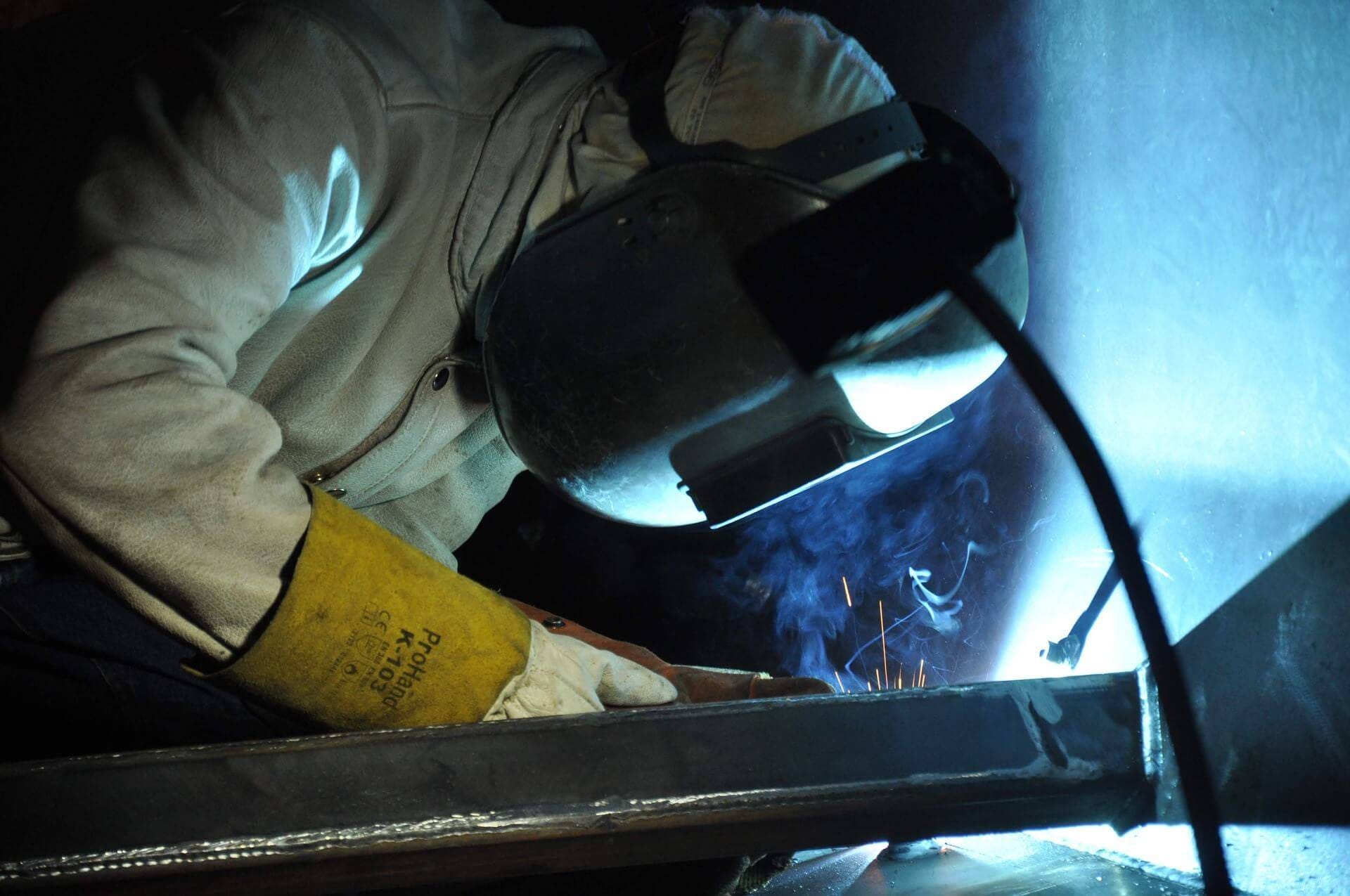
In the world of molten metal, grinding sparks, and searing heat, ordinary workwear doesn’t stand a chance.
That’s why heavy industries—like welding, foundry, steelmaking, and metal fabrication—require a special category of PPE: Metaltech Clothing.
Built for intense heat, flying sparks, molten splash, and sharp surfaces, Metaltech gear isn’t just protective—it’s engineered to perform under pressure. Let’s dive into what defines this clothing class, and how to source the right gear for your team.
What Is Metaltech Clothing?
Metaltech clothing refers to industrial-grade protective garments specifically designed for high-temperature, spark-intensive, and metal-processing environments.
It includes:
- Flame-resistant (FR) and heat-resistant jackets, shirts, pants, and coveralls
- Specialized garments for molten metal splash protection
- Reinforced apparel for grinding, cutting, and fabrication work
- Accessories like aprons, gloves, hoods, and leggings used in hot work zones
It’s not just about fire—Metaltech clothing must withstand radiant heat, resist abrasion, block splashes, and let the body breathe.
Where Is Metaltech Clothing Used?
You’ll find Metaltech PPE in industries like:
| Industry Segment | Application Scenario |
|---|---|
| Welding & Cutting | MIG, TIG, arc welding, plasma cutting |
| Foundry Operations | Pouring molten metal, furnace handling |
| Steel & Aluminum Works | Rolling, casting, tempering |
| Heavy Fabrication | Grinding, hammering, metal shaping |
| Railway / Shipbuilding | Torch work, overhead welding, structural cutting |
✅ Any task where hot metal + skin = danger, Metaltech gear becomes non-negotiable.
Key Features of High-Quality Metaltech Workwear
To do its job right, Metaltech clothing must combine multiple layers of protection and smart design.
Look for:
- Certified flame-resistant fabrics (inherent or treated)
- High thermal insulation to block radiant and conductive heat
- Molten metal splash resistance (ISO 11612 E/F ratings)
- Tear and abrasion resistance for grinding and heavy contact
- Reinforced seams and closures (no plastic zippers!)
- Ergonomic fit for crouching, welding, or overhead work
- Breathability zones to manage sweat and heat exhaustion
- Coverage from neck to ankles with minimal exposure gaps
⚠️ A common mistake: buying a “fireproof” shirt with exposed cuffs or synthetic thread. One splash, and it melts into skin.
Typical Metaltech Clothing Components
| Garment | Function |
|---|---|
| FR Jackets / Shirts | Core upper-body heat and spark protection |
| Heat-Resistant Pants | Leg defense from slag, splatter, and sharp edges |
| Welding Coveralls | Full-body protection, often layered or coated |
| Leather Aprons | Extra chest/waist armor in grinding/heavy spark zones |
| Molten Metal Hoods | Face, neck, and shoulder shielding from splashes |
| Leggings & Spats | Covers boot tops and lower leg for downward splashes |
✅ Many operations combine these layers to meet task-specific risks—not every worker needs full armor, but each should be equipped for their exposure zone.
Compliance and Certification: What Matters?
High-quality Metaltech clothing must meet recognized safety standards, such as:
- EN ISO 11612 – Clothing to protect against heat and flame
- EN ISO 11611 – Protective clothing for welding and allied processes
- NFPA 2112 – U.S. flame-resistant standard for industrial workwear
- ASTM F1506 / F955 – U.S. standards for molten metal and arc protection
- EN 61482 – Electric arc flash protection (if applicable)
✍️ As a buyer, always ask:
- What’s the FR rating (in cal/cm² or heat class)?
- What is the molten metal test result (E/F class)?
- Is it inherent FR or treated FR?
- Are materials tested by accredited labs?
When Metaltech Clothing Goes Wrong: Common Risks
Poor-quality or mismatched gear can lead to:
- Melt-through injuries from synthetic blends
- Steam burns from non-breathable layers + sweat buildup
- Insufficient overlap between sleeves, gloves, or hoods
- Premature fabric failure due to poor wash care or abrasion
- False compliance claims (fake FR labeling)
✅ A good rule: If the label doesn’t say EN ISO 11612 or NFPA 2112, don’t trust it in hot zones.
Conclusion
Metaltech clothing is not optional in metal industries—it’s a frontline defense against burns, fatigue, and career-ending injuries.
When sourcing for your factory, welding floor, or production line:
- Know your hazards (spark, splash, heat, abrasion)
- Match garments to job tasks and duration
- Demand certified fabrics and finishes
- Think in layers, not just single garments
- Train your crew on proper wear and care
Need help choosing the right protective clothing for welding, casting, or fabrication work? I’ve worked with clients across Asia, Europe, and North America to build task-ready, regulation-compliant Metaltech PPE programs.
📩 Contact: [email protected]
🌐 Visit: www.workwearsolutions.net

 Architecting Resilience: Single Sourcing vs. Dual Sourcing Strategies in Global PPE Procurement2026年4月30日Executive Summary In the complex landscape of industrial […]
 Pattern Grading for Global Bodies: The Engineering of Anthropometric Fit in Industrial Workwear2026年4月29日In the highly regulated landscape of industrial Personal […]
 The “Light Box” Inspection: Deconstructing Fabric Defect Diagnostics and the 4-Point Quality System2026年4月28日The structural integrity and visual uniformity of […]
 The Engineering of Waterproof Breathable Workwear: A Forensic Analysis of PU Coatings vs. PTFE Membranes2026年4月24日The selection of waterproof foul-weather gear in industrial […]
 The “Button Pull” Test Protocol: Engineering Fastener Security to Mitigate Industrial Machinery and Choking Hazards2026年4月22日The “Button Pull” Test Protocol: Engineering […]
 Fabric Shrinkage in Industrial Workwear: The Sanforization Secret and the Physics of Dimensional Stability2026年4月18日Executive Summary In the global industrial workwear and […]