
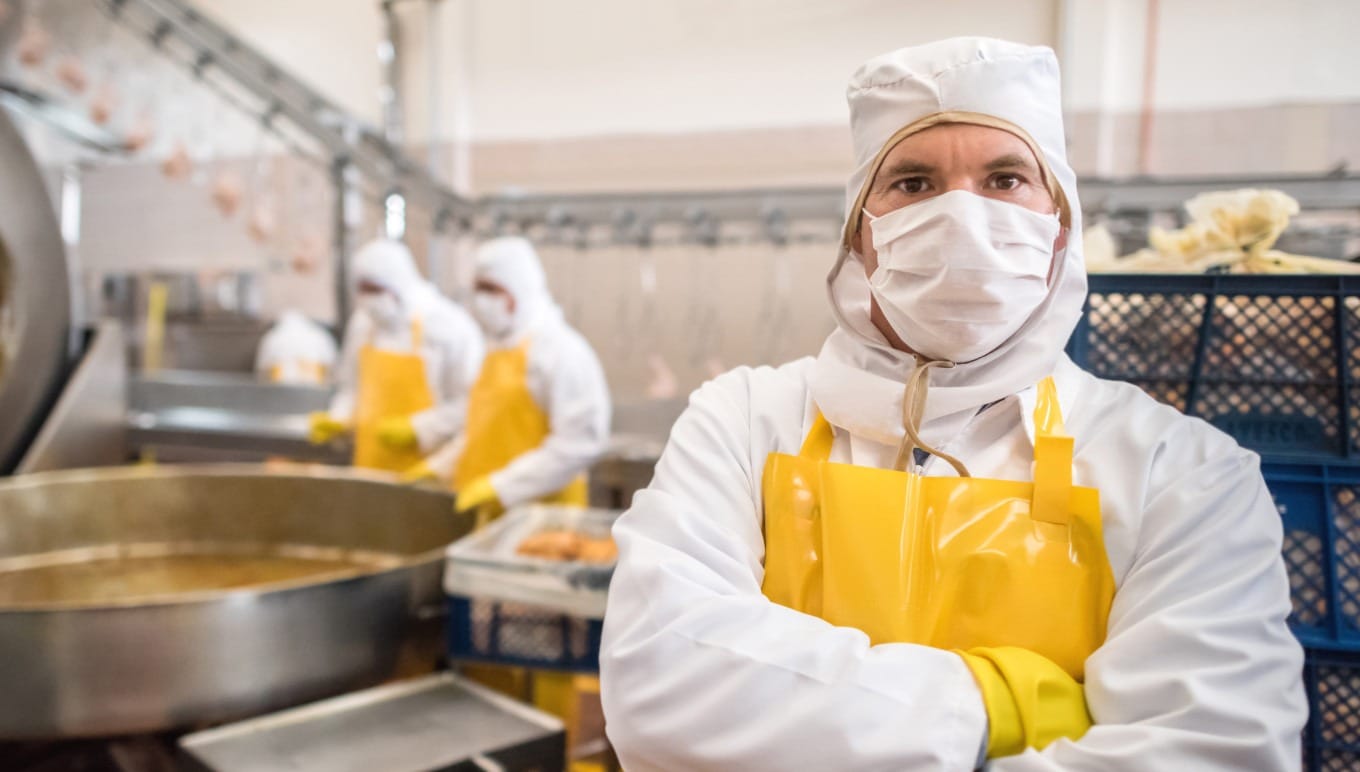
Food processing plants and healthcare facilities are entering a new phase of hygiene management. The challenge is no longer simply whether garments and PPE are antimicrobial at the time of purchase, but whether that protection can survive real-world use—including frequent industrial laundering, harsh detergents, high temperatures, and long service cycles.
Traditional antimicrobial finishes often degrade rapidly, losing effectiveness after 10–30 washes. This creates a false sense of security, increases contamination risks, and raises long-term operational costs. In contrast, 100-wash antimicrobial durability represents a major technological leap: antimicrobial performance that remains stable through dozens of wash cycles, aligning with modern compliance, sustainability, and cost-efficiency goals.
This guide integrates Part 1 (antimicrobial principles, technologies, and standards) and Part 2 (procurement logic, ROI analysis, and industry case studies) to deliver a complete decision-making framework for adopting durable antimicrobial solutions—especially in food manufacturing and medical environments, where hygiene failures are unacceptable.
Google Snippet: Quick Answer
100-wash antimicrobial durability refers to textile and PPE technologies that maintain effective antimicrobial performance after at least 100 industrial wash cycles.
These solutions significantly reduce bacterial growth, odor, and cross-contamination risks, making them ideal for food factories and healthcare facilities. Compliance typically involves ISO 20743, AATCC 100, and HACCP-aligned hygiene protocols.
1. Why Food and Healthcare Environments Demand Long-Lasting Antimicrobial Performance
High-Frequency Laundering Cycles
- Food factories and hospitals often launder garments daily or multiple times per week.
- Industrial washing involves high temperatures (60–90°C), strong alkalis, and disinfectants.
- Short-life antimicrobial finishes lose efficacy quickly, increasing hygiene risks.
Constant Biological Exposure
- Food environments expose PPE to proteins, fats, sugars, and moisture, ideal for bacterial growth.
- Healthcare settings face pathogens, bodily fluids, and drug-resistant microorganisms.
- Surface contamination can transfer bacteria from garments to products or patients.
Regulatory and Audit Pressure
- Auditors increasingly question durability claims, not just initial performance.
- Hygiene failures can result in product recalls, ward shutdowns, or legal liability.
Workforce Comfort and Compliance
- Odor buildup and skin irritation from bacterial growth reduce worker comfort.
- Durable antimicrobial fabrics improve wear acceptance and hygiene discipline.
2. Relevant Standards and Testing Protocols for Antimicrobial Durability
| Application Area | Standard / Method | Purpose |
|---|---|---|
| Antimicrobial Efficacy | ISO 20743 | Quantifies bacterial reduction on textiles |
| Antimicrobial Testing (US) | AATCC 100 | Measures effectiveness after laundering |
| Laundering Durability | ISO 6330 / ISO 15797 | Simulates domestic and industrial washing |
| Food Hygiene Systems | HACCP, EU 852/2004 | Prevents cross-contamination |
| Medical Textiles | EN 13795 | Surgical and medical garment hygiene |
Key Insight:
A true “100-wash” claim must combine efficacy testing and wash simulation, not marketing statements alone.
3. Antimicrobial Technology Evolution: From Surface Finish to Fiber-Level Protection
| Technology Type | Advantages | Limitations |
|---|---|---|
| Topical Antimicrobial Finish | Low cost, easy application | Washes out quickly |
| Silver Ion Coatings | Broad-spectrum activity | Performance declines with laundering |
| Zinc-Based Systems | Odor control, skin-friendly | Moderate durability |
| Polymer-Bound Antimicrobials | Strong wash resistance | Higher processing cost |
| Fiber-Integrated Antimicrobial Yarns | Permanent protection, 100-wash stability | Requires advanced spinning |
4. Case Study Comparisons by Industry Segment
| Industry Segment | Operational Risk | Antimicrobial Focus | Outcome After Adoption |
|---|---|---|---|
| Meat Processing | Protein residue, moisture | Fiber-integrated antimicrobial coats | 65% reduction in surface bacteria |
| Dairy Production | Warm + wet cycles | Polymer-bound antimicrobial uniforms | Odor complaints dropped by 70% |
| Hospitals | Pathogen exposure | 100-wash antimicrobial scrubs | Lower cross-infection indicators |
| Pharmaceutical Cleanrooms | Controlled environments | Durable antimicrobial underlayers | Improved audit scores |
5. Common Procurement Mistakes in Antimicrobial PPE
| Mistake | Impact | Prevention Tip |
|---|---|---|
| Believing “antibacterial” labels | False security after washing | Demand test reports |
| Ignoring wash-life data | Rapid performance loss | Specify minimum wash cycles |
| Focusing only on silver content | Ineffective durability | Evaluate bonding method |
| Overlooking skin compatibility | Dermatitis complaints | Request dermatological testing |
| Treating antimicrobial as optional | Audit failures | Integrate into hygiene policy |
Example:
A European hospital replaced standard antibacterial scrubs with 100-wash antimicrobial garments. Although unit cost increased by 20%, garment replacement cycles doubled and infection-related incidents declined measurably within one year.
6. ROI Analysis: Short-Life vs 100-Wash Antimicrobial PPE
| Scenario | Standard PPE Cost | Hidden Losses | 100-Wash PPE Cost | Net Savings |
|---|---|---|---|---|
| Garment replacement | $8,000 | — | $12,000 | — |
| Odor-related complaints | $1,500 | $15,000 | $2,000 | $14,500 |
| Contamination incidents | $2,000 | $120,000 | $3,500 | $118,500 |
| Audit non-compliance | $1,000 | $50,000 | $2,000 | $49,000 |
7. Buyer Checklist for 100-Wash Antimicrobial Procurement
- [ ] Test Standard: ISO 20743 or AATCC 100
- [ ] Wash Durability: Verified ≥100 industrial washes
- [ ] Application Method: Fiber-level or polymer-bound
- [ ] Skin Safety: Dermatological compatibility
- [ ] Industry Compliance: HACCP / EN 13795 alignment
- [ ] Lifecycle Cost Review: Replacement vs unit price
- [ ] Documentation: Full test and audit traceability
8. Frequently Asked Questions (FAQ)
Q1: Does antimicrobial treatment replace cleaning?
A: No. It complements cleaning by reducing bacterial regrowth between washes.
Q2: Is 100-wash durability realistic?
A: Yes—when antimicrobial agents are bonded at fiber or polymer level.
Q3: Are antimicrobial garments safe for skin contact?
A: Certified systems are dermatologically tested and safe.
Q4: Will antimicrobial performance affect fabric comfort?
A: Modern technologies preserve softness and breathability.
Q5: How do auditors verify antimicrobial claims?
A: Through test reports, wash simulations, and documentation review.
9. Advanced Sourcing Strategies for Durable Antimicrobial Solutions
-
Define Laundering Reality:
Match antimicrobial durability to actual wash conditions. -
Request Wash-Aged Samples:
Evaluate fabrics after simulated laundering. -
Integrate with Uniform Policy:
Antimicrobial garments should be mandatory, not optional. -
Plan for Sustainability:
Longer garment life reduces textile waste. -
Prepare for Future Regulation:
Durable antimicrobial systems are becoming baseline expectations.
10. Conclusion
The future of hygiene in food and healthcare industries depends on durability, not declarations.
100-wash antimicrobial technology transforms antimicrobial protection from a short-term feature into a long-term safety system.
For food factories, it means reduced contamination risks.
For hospitals, it means better infection control.
For procurement teams, it means lower total cost of ownership and stronger audit confidence.
As regulatory scrutiny increases and laundering cycles intensify, durable antimicrobial performance will shift from a competitive advantage to a minimum requirement.
📩 Looking to source 100-wash antimicrobial PPE and workwear?
Email: [email protected]
🌐 www.workwearsolutions.net

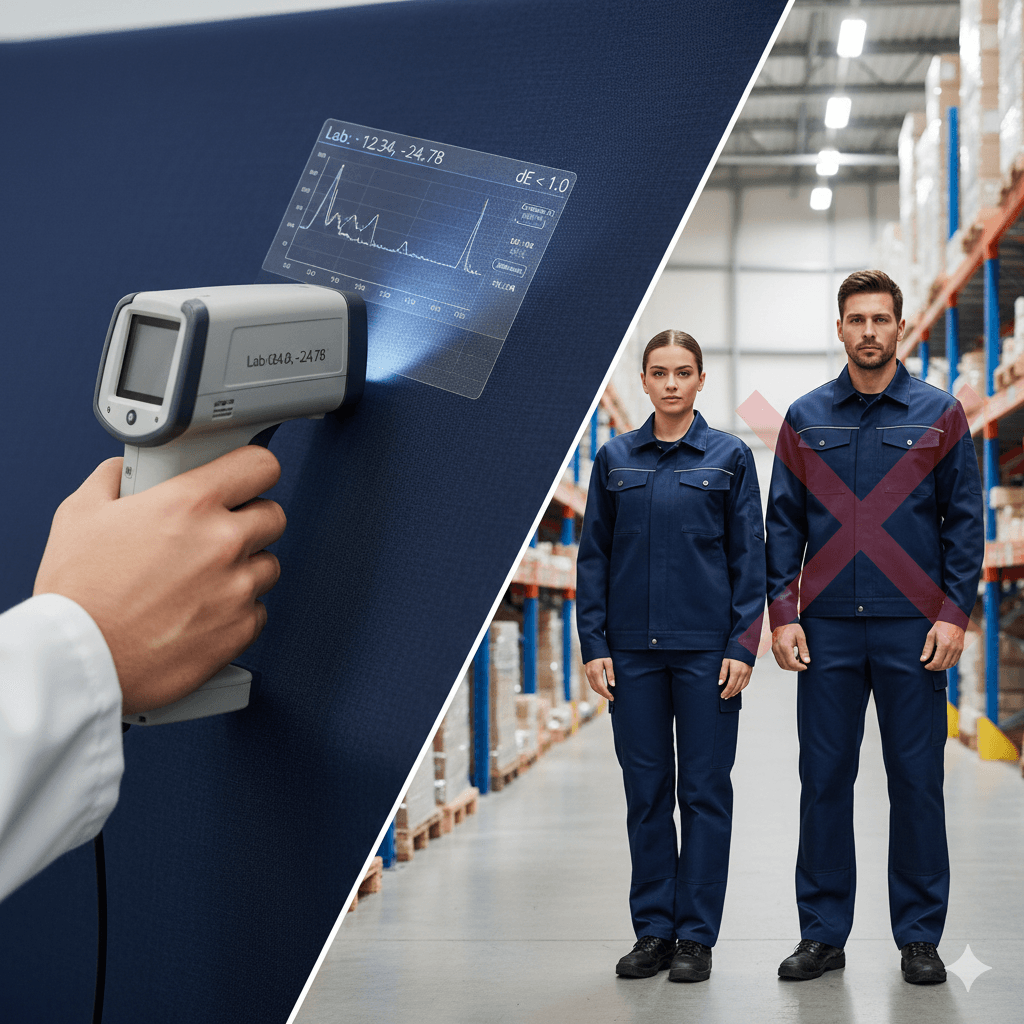 Color Consistency: The Delta-E Standard and the End of the “Clown Suit” Effect2026年2月4日In the corporate world, a uniform is a brand’s […]
 Why Zippers Fail (and How We Prevent It): The Engineering of Closure Reliability2026年2月4日In the hierarchy of industrial garment components, the […]
 The Anatomy of a Seam: Engineering Durability at the Needle Point2026年2月4日In the world of industrial workwear, the fabric gets all […]
 Future Lab PPE Trends: The Convergence of Lightweight Protection & Sustainability2026年1月28日In the sterile corridors of pharmaceutical R&D, biotech […]
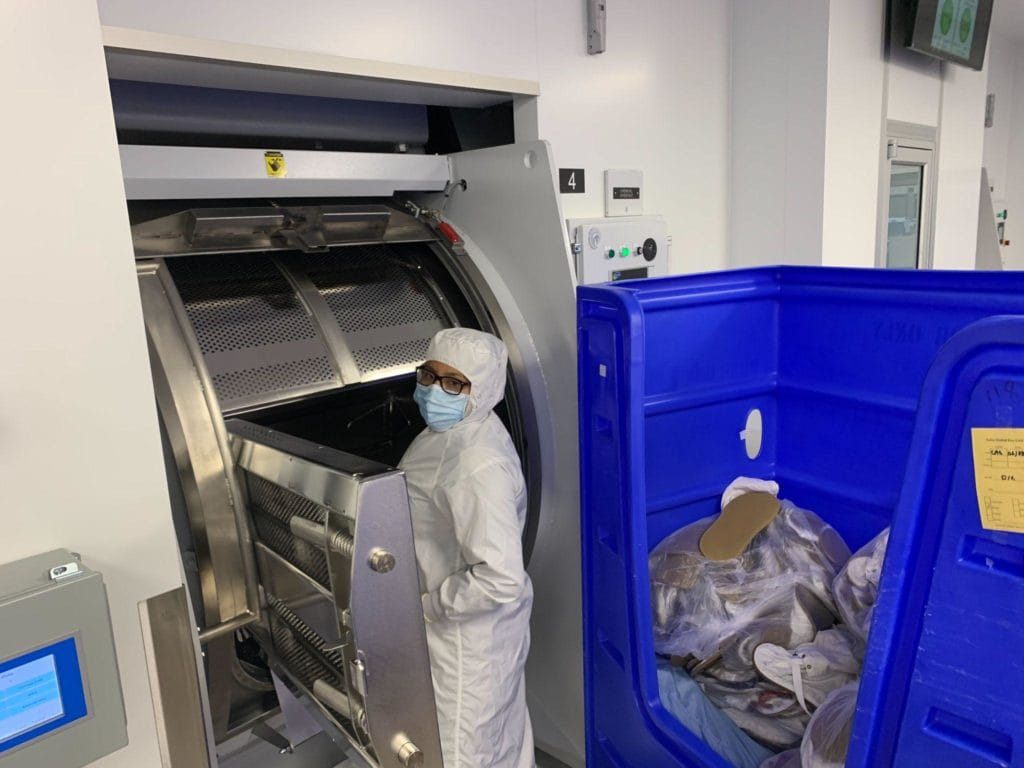 Chemical Protection Classes A/B/C: The Definitive Guide to Risk-Based PPE Selection2026年1月28日In the hazardous materials (HazMat) industry, […]
 Freezer Gloves & Boots Trends: The Intersection of Thermal Physics and Grip Technology2026年1月28日In the unforgiving environment of a -30°C cold storage […]